This post contains affiliate links to trusted partners and as an Amazon Associate, I earn from qualifying purchases at no extra cost to you. All opinions are my own.
I was in Kyoto in April for the cherry blossoms and a freak winter day happened. It was 23℃ one day, then -10℃ degrees the next.
Was I prepared for the extreme temperature swing? Nope. Not at all.
It’s why I’m going to help you pack for Kyoto without you trying to ship your whole closet across the ocean.
I’ll cover dressing for temperatures for exploring the city, restaurants, temples, and museums. You’ll go from art gallery hopping, to temple touring, to fine-dining in one day without a fussy wardrobe getting in the way.
But are you all about adventure travel and figuring out how to dress for that? You’ll have to look somewhere else as I have zero experience in that area.
Also, I’m not giving you a list of 525 things to pack and then leaving you to your own devices. I’ll tell you exactly what clothing is worth bringing that withstands the chill and keeps you warm and what to leave at home. I’ll also tell you what size of luggage to bring that’ll suit your travel philosophy.
Every item you pack has to answer what benefit am I getting from this thing and what will it cost me to carry it? You’ll be able to answer that once you’re done here. And you’ll be on your way packing, without anxiety, for your first trip to Kyoto.
Packing for Kyoto at a Glance
A little tight on time and just want to know what deserves precious space in your suitcase? Here’s my quick cheat sheet for packing for Kyoto without emptying your whole closet.
The golden rule: pack light layers that work for long days of sightseeing but still look polished enough for museums, restaurants, and evenings out. Kyoto’s weather can change quickly, so versatility wins every time.
🛂 Before you start packing
- 🛂 Check your passport and visa requirements before booking the rest of your trip.
- 🩺 Make sure you have medical travel insurance, including trip coverage for your needs.
- 💴 Pack your M and M: money and medication. Bring some cash, more than one payment card, and basic medication you know you might need.
- 📱 Screenshot hotel addresses, reservations, QR codes, insurance information, and important confirmation numbers, so you can get to them without Wi-Fi.
🔋 Tech worth bringing
- 📶 An eSIM: I use Airalo so I can access maps, reservations, and the Web without paying a fortune for roaming fees.
- 🔋 A power bank: Kyoto involves long sightseeing days, and Google Maps plus constant photo-taking can murder your phone battery.
- 🔌 Choose compact adapters and wireless chargers to save luggage space.
☀️ For warmer Kyoto weather
Pack breathable pieces you can mix, match, and dress up:
- 👟 Cushioned walking shoes or secure walking sandals
- 🧥 A light waterproof jacket
- 👕 Breathable bamboo T-shirts
- 👚 Linen shirts for something slightly dressier
- 🧦 Light socks for temples and historic buildings for when you’ll have to remove your shoes
❄️ For colder Kyoto weather
Think thin, warm layers rather than bulky winter sweaters.
- 🧶 Lightweight Merino wool sweaters
- 👖 Fleece-lined leggings or comfortable trousers
- 🧥 A light but warm puffer coat
- 🧣 A toque, scarf, and gloves
- 👢 Comfortable walking shoes or boots
My biggest cold-weather lesson? Leave the thick cable-knit sweaters at home. They ate up my carry-on space and made me sweaty once I started walking. Lightweight Merino wool kept me warm without making me bulky.
⛩️ For temples and shrines
Wear shoes that slip on and off easily and keep a pair of socks handy. You may need to remove your shoes when entering temples and historic buildings with delicate flooring.
🧳 Carry-on or checked luggage?
✈️ Choose a carry-on when you value mobility, plan to change hotels or cities frequently, and don’t expect to bring home large souvenirs.
🛍️ Choose a checked suitcase when you want more wardrobe flexibility or already know that ceramics, fashion, food, and other Kyoto treasures are coming home with you.
Neither choice wins. Your luggage should match the trip you actually want to have.
🎒 Best day bag
Go hands-free. I prefer a small convertible backpack that holds my phone, wallet, power bank, umbrella, water bottle, and tickets without looking like hiking gear when I walk into a nice restaurant.
🏠 Leave these at home
- 🧶 Thick, bulky sweaters
- 💇 Heavy hair straighteners and curlers
- 👠 Extra shoes you won’t realistically wear
- 🏋️ Gym clothes and trainers when you aren’t planning to work out
- ❓ Anything you’re packing solely because you might need it
💡 My packing philosophy: every item has to justify the space and the weight it takes up. Pack pieces that can handle several situations and you’ll have a suitcase that serves you; not the other way around.
👉 Keep scrolling for my detailed recommendations. Learn in detail what worked for me and the things I wish I’d left at home.

What to sort out before packing for Kyoto
Passport and visa requirements
Remember to pack your passport, visas, IDs…sounds like obvious advice, right?
But if you land in the country of your dreams and you don’t have the all important pieces of extra paper stuck to your passport proving eligibility for entry, then the years you spent saving and planning for the trip instantly goes poof!
In all the excitement of planning and packing, sometimes the most obvious things are the things we overlook. I always check Travel Canada for visa requirements and safety notices. It’s a quick way to know how long it might take to apply for a visa, and if the country I want to visit is safe to go at the moment.
Before planning or packing for a trip, check if your passport requires a visa for entry and for how long. Do this before planning anything else for the trip.
Travel insurance
Better to have it and not need it than to need it and not have it.
That’s my personal motto when it comes to insurance.
I know for many travellers buying travel insurance can seem like a wasted expense. But think of it as a quick savings account. If anything fatal happens during your trip (e.g. medical emergency, lost luggage, cancelled flights), you’ll have peace of mind knowing your insurance might cover a large part of those costs while you sort things out. Without insurance, you’d be paying for everything out of pocket.
And costs can add up fast.
With all the costs you might’ve paid for out of pocket for unexpected expenses, you could’ve saved that money for another trip. A few hundred dollars spent on insurance could save you thousands later on.
And you may already have travel insurance built into your credit cards, or workplace benefits. Check those first before buying, or topping up, your travel insurance.
Money and medication
I like to call this M and M, which stands for money and medication. I know it seems obvious to pack (like your passport), but many travellers forget to bring M and M in the hype of packing, especially money as in cold hard cash.
Never assume that every place you’re going to takes credit cards. Or worse, that your card will work. I was in Prague and my TD Visa only worked sometimes, so good thing I had cash on hand to pay for things. Better yet, bring different credit cards if one isn’t accepted. My TD Visa didn’t work most times, but my Mastercard worked often.
And always bring the other important M: medicine. You’ll thank yourself if you wake up with a pounding headache at 3 AM in the morning, or if you get sea sick during a boat ride. That was me during a quick trip to Macau. The ride was only 40 minutes, but let’s just say I was deeply sea sick for the entire journey.
Staying safe and healthy should always be your first priority. Pack some common medication (and check that any prescription meds you use are allowed to be brought into Japan) and you’ll be guarded against the most common symptoms travellers have during their trip. And your body will thank you.
What tech is actually useful in Kyoto
Power bank with built-in MagSafe charger
You’ll want a power bank if you love using Google Maps and taking photos on your phone. Those things drain battery life pretty quickly. If you’ll have your phone constantly on, a good power bank is a heaven-send.
I like powerbanks with built-in prongs so you can plug it in directly into an outlet to recharge. My favourite one also comes with a mag safe adapter, so I can slap my phone on to recharge without hunting for cables.
The power bank I travel with all the time also comes with USB cables in case you want to charge multiple phones at once. It is a bit heavy, but it gets the job done multiple times a day.
Airalo e-sim for data
Don’t let roaming charges eat the money you could’ve had at a fancy dinner. Download an Airalo e-sim for data and you’re good to go exploring.
I trust Airalo because it’s reliable and it’s available in hundreds of countries. I also find their data packages reasonably priced; it doesn’t cost the price of an expensive hotel night (which is what roaming will do to you if you forget to turn it off!)
Accessing travel confirmation receipts without Wifi
Get Airalo e-sim for access to data for pretty much any part of the world. This way, you have access to the Web anytime.
But it’s life: sometimes the connection lags, or it’s unavailable.
If you’re like me who’s paranoid about important documents (like receipts, confirmations, reservations), then saving them as screenshots on your phone is super helpful when data or Wifi cuts off.
I like to have an album where I store all the screenshots of hotel confirmations, receipts, insurance numbers, QR codes for tickets, and hotel addresses. Basically, any documents I know I need fast access to without relying on an app to load.
For those who enjoy peace of mind, save screenshots of your important documents on your phone (and keep it charged!) so you can access them anytime.
What to wear in Kyoto in warmer weather
Cushioned shoes and sandals
Be it warm or cold weather, if you love exploring the city, you’ll want to wear really good walking shoes. Your feet might take a beating walking up the steep hills to the Silver Pavilion and Kiyomizu-dera. Oh and that nice restaurant you picked out weeks before? You’ll want shoes that go easily from hiking to dining.
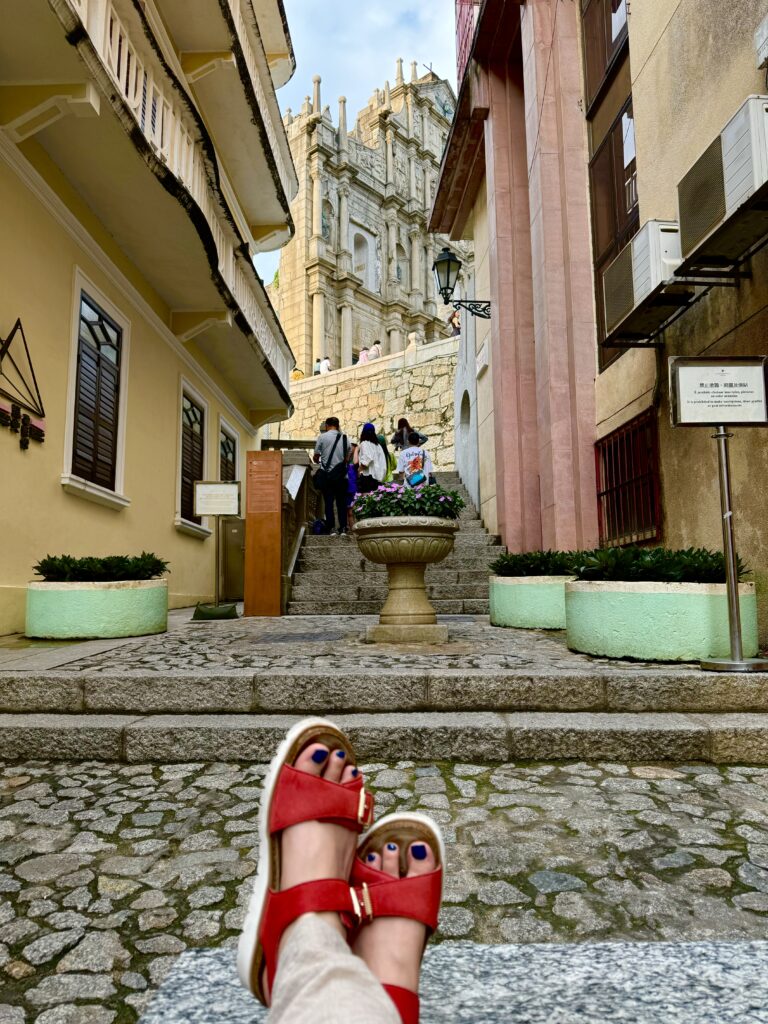
For me, the Mephisto Allrounders handle the walking and the performing. It’s got cushioned soles that literally add a bounce to your step as you walk. They’re protective and comfortable and are easy to remove to enter temples, and sleek enough to enter nice restaurants. Dress it up with a cute jacket and you’re restaurant ready.
During hotter days, the Mephisto sandals with straps are non-negotiables for me. The cushioned soles are breathable (they keep my feet dry on sweltering days) and the straps make sure the sandals stay on tight, so they don’t slip off as I walk on cobblestones. Get them in red so they feel good and look stunning as you transition from museum visits to fine-dining.
A light waterproof jacket
A light waterproof jacket comes in handy for outdoor and indoor weather. Not only is a light jacket perfect for rainy days, but they come in handy for cool air conditioning inside restaurants.
My favourite is the Eddie Bauer jacket: it’s thin, yet warm when needed, waterproof, breathable, and comes with a few pockets to store those pesky train tickets for easy access. It’s so thin, it packs easily in a carry-on where space is at a premium.
If you want a one-and-done jacket for cooler, rainy weather, consider looking into a lightweight, waterproof jacket with pockets.
Bamboo breathable t-shirts
I love the hot weather, but I’m self-conscious about sweating. If you feel the way I do, I find bamboo breathable t-shirts work well to neutralize odour and keep me looking, and feeling, good.
I buy multiple bamboo t-shirts in different colours from House of Bamboo: they fit nicely without being too tight or too loose. They come in great colours so you can mix and match them with a single bottom for a capsule wardrobe.
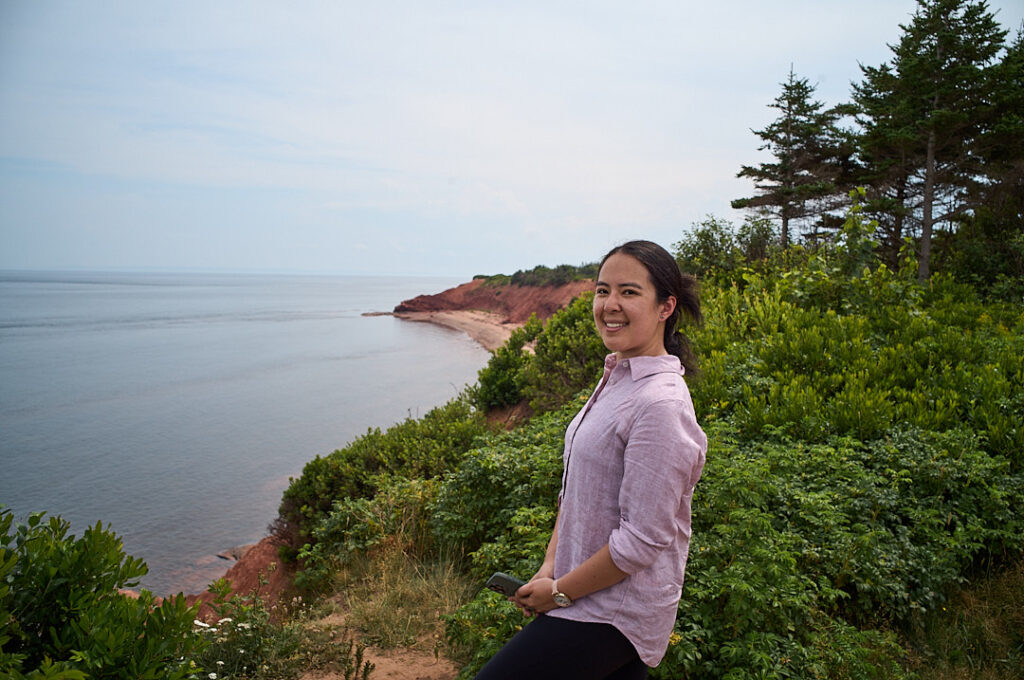
For something dressier but also breathable, I love the linen shirts from Quince. They’re breathable, light, a little fancier, so they go perfectly for a day of art
gallery-hopping to restaurant dining in the evening.
Consider stocking up on bamboo tees or linen shirts for your travels. They’re pretty light and pack easily into a carry-on.
What to Wear in Kyoto in Colder Weather
Breathable and light Merino sweaters from Uniqlo
Have you ever found that exploring the city in the cold could make you sweaty? That was me. I would wear thick sweaters under my thick jacket and wonder why I would sweat like a moose.
If you want to enjoy the cold (without being cold!) and still feel comfortable, then packing Merino sweaters is the ultimate practical and stylish outfit option. I discovered Merino sweaters while shopping at Uniqlo in Hong Kong. I bought a few and they made my other newly bought winter sweaters redundant.
Merino sweaters are light yet warm, basic yet chic, and they come in a rainbow of colours. I bought a few different colours and they go perfect with a single pair of jeans. Perfect for saving space when I’m travelling with a carry-on.
Travellers who want manoeuvrability without sacrificing style or warmth, should stock up on Merino sweaters. Your luggage will thank you too for the amount of space they save (read: more room for those temple souvenirs you’ve been eyeing!).
Warm wool leggings
Leggings sort of have mixed reviews as clothing in Kyoto. They look like clothes you should wear at home instead of something you’d wear going out. However, as a tourist who’s out all day exploring, I find a pair of warm, breathable leggings in winter keeps me cozy and comfy all day long.
A pair of leggings have lasted me several winter seasons. I wear them all day, every day, during cold seasons since I find jeans don’t give me the same results. The trick is that I wear longer sweater tunics over them and I pair the outfit with a stylish pair of walking boots. This way, it doesn’t seem like I’m wearing leggings, and I can go from temple to dining without any concerns.
Check out Uniqlo for leggings that look like jeans, but are as comfy and breathable as leggings. Or scoop up a few pairs of wool leggings, mix and match them with sweater tunics, and you’re good to explore Kyoto all day.
A cute toque
Kyoto is pretty mild in February, but all it takes is a gust of wind to freeze your ears. Bring a cute toque with a pompom to keep your head warm while looking good at the same time.
I love toques from Gap. They’re lightweight, come in lots of colours and designs, and match easily with any outfit.
A light, warm, puffer filled goose down feathers.
Ever thought there must be a way to keep warm, and feel light in winter without looking like the Michelin tire man, and be able to get at the stuff you need while travelling?
The answer is a good puffer parka with several, useful pockets.
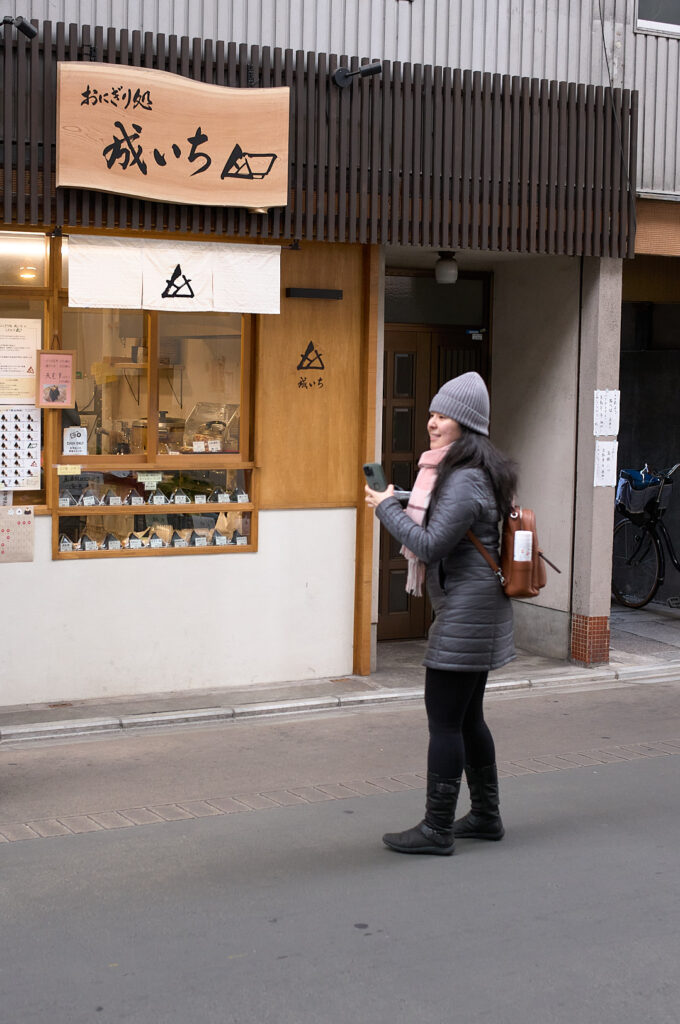
The best investment I ever made for my winter wardrobe was getting a Patagonia puffer parka. The knee-length parka keeps your legs warm, while the hand pockets, breast pocket, and inside pockets let you store important tickets without losing them. The entire jacket is light as a feather, toasty warm where it counts, and easy to pack.
For travellers who want the best of all worlds for warmth, style, and practicality: a good puffer satisfies all of that. It’s my go-to jacket for all my cold-weather trips.
What to wear when visiting temples and shrines
Slip on shoes and socks
You probably have a list of the top temples you’d like to visit. To make your visits smoother, wear shoes you can slip on and off easily, and bring light socks. Most temples are covered in delicate tatami flooring and you’ll be asked to take off your shoes before entering.
Even if it’s not a temple, historic buildings usually have fragile flooring, so you might be asked to take off your shoes. I visited the Maiko and Geiko museum in Gion and it has delicate tatami flooring, so I was asked to take off my shoes and I was given slippers to wear before entering.
What Size Luggage Should You Bring to Kyoto?
Use a carry-on if you don’t plan on buying anything
The size of the luggage you bring should reflect the size of your ambitions for your trip.
So should you bring a carry-on for maximum minimalism or a large check-in for maximum space? Short answer: it depends. Ask yourself what kind of a traveller you are and what you want to accomplish on your trip.
Do you want room to bring back handmade pottery? Or space for artisan fashion you won’t get anywhere else? Or maybe souvenir snacks? Are you staying mainly in Kyoto or travelling across Japan?
If you’re clearly set on avoiding buying new things or bringing anything substantial back, then a carry-on could be the best option for you. Carry-ons are easy to lug around on trains, they’re easier to store in overhead luggage space, and they’re perfect for small hotel rooms.
But the trade-off is commitment. Commitment to a fixed wardrobe, to one pair of shoes, to buying tiny souvenirs. I found that the heaviest things to pack in a carry-on were my shoes and hairdryer. Though they were compact items, they added weight fast.
So if you’re a traveller who plans on staying at multiple hotels and cities, and are committed to not buying anything big, then a carry-on could be great for you.
When to go big and check in a large suitcase
A check-in luggage is roomier. Period. And sometimes having more space is a luxury you want to pay for.
If you’re serious about bringing back souvenirs like ceramics or fashion, then you’ll want to bring a larger check-in luggage. The extra room for clothing, accessories, and space to bring back one-of-a-kind souvenirs is completely worth the extra effort to haul the luggage around.
But (and there’s always a but), large suitcases are harder to lug around and some trains have limited space to hold big suitcases. However, it’s possible to transfer your luggage from hotel to hotel, even across different cities in Japan. I’ve never used this service before, but now that I know about it, I’d give it a try next time I’m travelling across Kyoto with a large suitcase.
The verdict is that if you’re someone who values space and flexibility with your luggage, and you’re willing to accept the trade-offs that come with it, then a large check-in luggage could be a great choice for your Kyoto trip.
What kind of day bag works best in Kyoto?
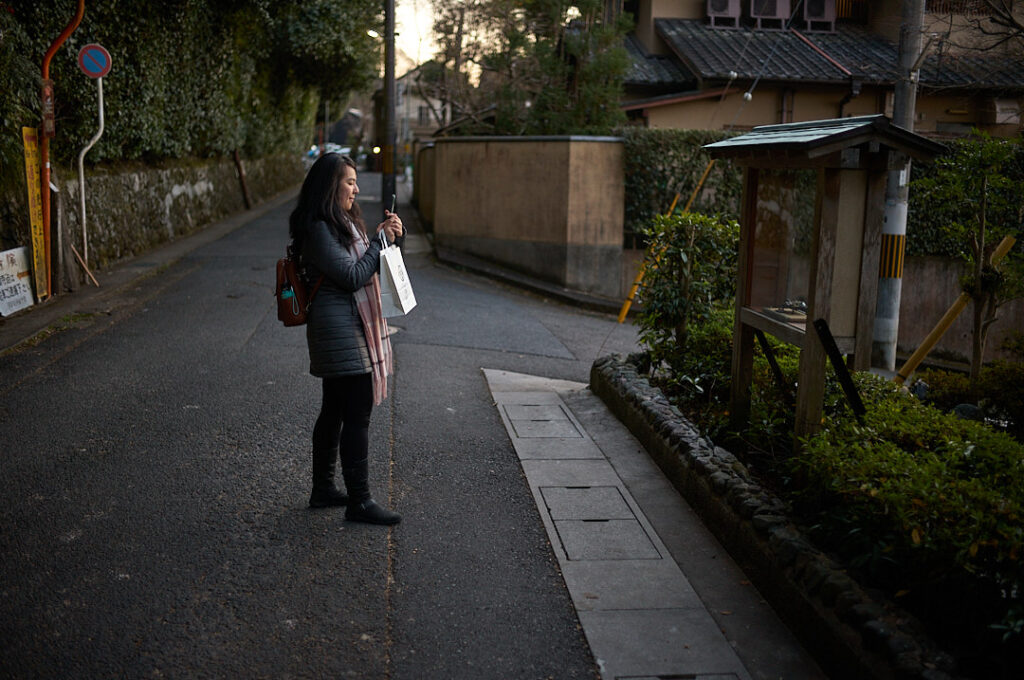
I believe in hands-free travelling so I can take pictures and shop for souvenirs. If you’re of similar beliefs, then you’ll want a day bag that’s practical, and stylish enough, to go from museum exploring to fine-dining at night.
The Lambert Maude convertible leather backpack checks all the boxes for me.
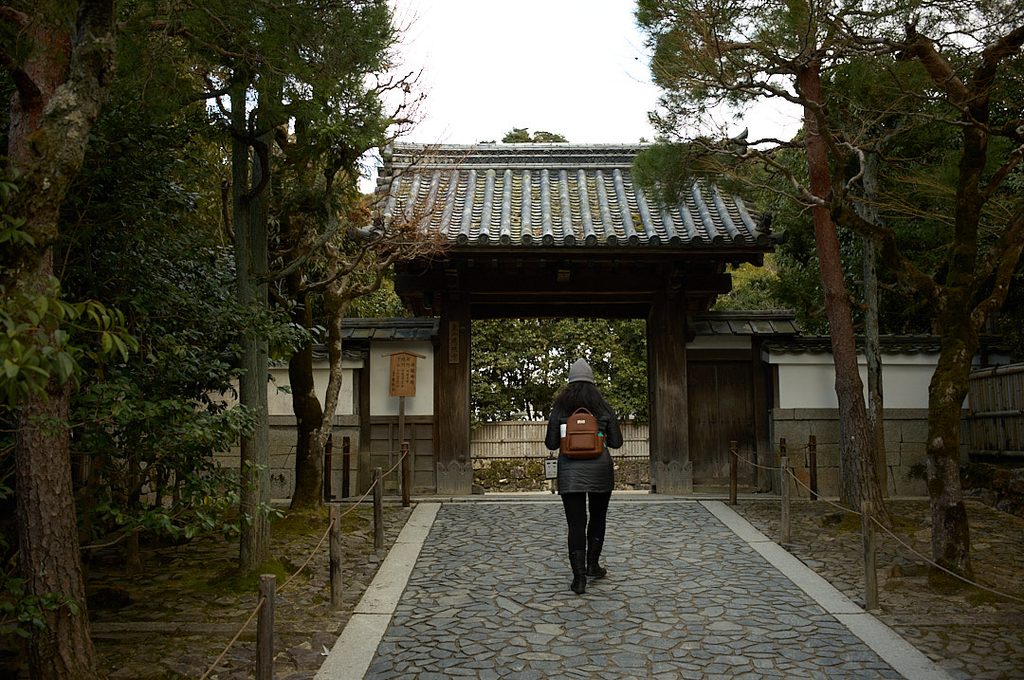
It’s my main go-to travel day bag because it converts from backpack to side bag at a click of a strap. Perfect for when I’m strolling into a nice restaurant and I want my bag to look a little fancier.
The Lambert Maude bag is also made of vegan leather, so no worries about it getting damaged on a rainy day. It’s also got smaller pockets galore for storing accessories (like tickets, lip balm, hand sanitizer), and larger pockets for holding things like your wallet, passport, phone, battery pack.
It even has expandable side pockets for holding a small water bottle and umbrella. This is absolutely essential for rainy days.
This small, but mighty backpack, makes my trips relaxing and carefree. For travellers who value practicality without sacrificing style and durability, the Lambert backpack is a wonderful choice for all your trips.
What you can leave at home
Heavy hair straighteners, curlers, and thick sweaters
What I learned I didn’t need to bring, even for cold weather, in Kyoto are thick sweaters. I’m talking cable-knit thick. They were bulky, heavy, took up a huge amount of space in my carry-on, and made walking sweaty. Once you have thin, warm Merino wool sweaters, they’re all you need for trips, even for Kyoto in the cold.
Looking put-together is still important for me, though. If you’re like me who feels their trip is on a tightrope when you have a bad hair day, then you’ll like the Dyson travel hair dryer. Leave at home any hair curlers or hair straighteners. They take up space and besides, you need adapters and converters to make them work.
Instead invest in a big round brush, learn some good hair drying technique, and the Dyson travel hair dryer is all you need to straighten (or curl) your hair.
Gym clothes (take a break!)
Ditch the gym clothes and shoes. Ever need a break from working out, but felt guilty about it? I give you permission to take a break on your Kyoto trip.
Gym clothes and shoes are dead weight if you don’t plan to use them. And you’ll probably be walking and hiking so much during the day, it’ll be enough exercise for you for the rest of the month. Ditch the gym wear and enjoy your much deserved vacation from routine.
Pack with purpose; not FOMO
No, you don’t need to have a great trip by packing your whole house and flying it across the Atlantic.
It’s easy to pack EVERYTHING you MIGHT need, and then realize that EVERYTHING you brought wasn’t what you needed at all.
So, how do we go about packing for a trip where our luggage doesn’t weigh us down? Literally and metaphorically.
First, decide what trip you’ll have. It’s perfectly fine to want to bring a large check-in suitcase because a change of clothes, souvenir space, and room is important to you. It’s also totally fine to bring a carry-on if you’re OK with switching between 3 shirts and 1 pair of pants for 3 weeks for the sake of speed and convenience.
When you get stumped, just ask yourself: What benefit am I getting from this thing and what will it cost me to carry it?
And remember: there’s no right or wrong way to pack for Kyoto. Once you know how you want your luggage to serve you, then you’ll know exactly what to bring. And you can note it all down in your free travel planner .
Finally, keep in mind that you handle your luggage the way you want. It serves you; never the other way around.