This post contains affiliate links to trusted partners and as an Amazon Associate, I earn from qualifying purchases at no extra cost to you. All opinions are my own.
When people hear the word budget, they often think cheap.
I beg to differ.
For me, a budget is deciding where your money should go, so you get the most enjoyment out of your trip. Sometimes that means staying in a practical hotel so you can splurge on a memorable kaiseki dinner.
Sometimes it means skipping expensive (and unnecessary) tours so you can bring home a beautiful piece of Kyoto pottery. And sometimes it means enjoying that glass of champagne because you planned for it.
The thing is, there’s no single dollar amount that defines a Kyoto budget. What feels affordable, worthwhile, or extravagant depends entirely on your travel style, priorities, and the experiences you want to have.
Planning a great trip isn’t about spending the least amount of money possible; it’s about spending where it’s worth it. I’ll show you where it makes sense to save, where it’s worth splurging, and how your budget might change depending on whether you’re a first-time visitor, a food lover, a culture enthusiast, or a slower traveller.
When you’re done here, you’ll be able to create a Kyoto budget that supports what you want your trip to look and feel like; not what someone else tells you how you should spend.
Short on Time?
💰 What’s the Best Way to Budget for Kyoto?
The best Kyoto budget isn’t the cheapest one. It’s the one that reflects your travel style and priorities. Spend on the experiences that matter most to you and save on the ones that don’t.
👤 Which Type of Kyoto Traveller Are You?
First-time visitor → Spend on a centrally located hotel and a few meaningful cultural experiences.
Food lover → Splurge on kaiseki and memorable meals. Save on overpriced low-quality restaurants.
Culture enthusiast → Prioritize temples, castles, performances, museums, and artisan souvenirs.
Slow traveller → Spend on comfort, convenience, and leaving room to wander rather than packing your itinerary.
📅 How Trip Length Affects Your Budget
1 Day in Kyoto → Spend on convenience and focus on Kyoto itself.
3 Days in Kyoto → The best balance between cost and experience.
5 Days in Kyoto → Spend on flexibility, slower travel, and complementary day trips.
🏨 Where It’s Worth Spending More
✅ Centrally located hotels in areas like Shijo
✅ Memorable meals like kaiseki and teppanyaki
✅ Taxis and transportation that save significant time
✅ Cultural experiences unique to Kyoto
💸 Where It’s Worth Saving
❌ Transportation passes you won’t fully use
❌ Generic tourist souvenirs
❌ Guided tours that don’t add value to what you can explore yourself
❌ Attractions that don’t interest you
🌸 Best Season for Value
Spring → Higher prices, larger crowds, cherry blossoms, festivals, and seasonal dining, but definitely plan for it if it’s on your bucket-list.
Winter → Lower prices, fewer crowds, easier reservations, and a more tranquil Kyoto and perfect if you prefer wandering on your terms.
🎁 Best Kyoto Souvenirs
Spend on: Handmade ceramics, pottery sake cups, washi paper goods, and temple charms.
Skip: Generic mass-produced souvenirs that could be bought outside of Japan.
✨ The Most Important Budgeting Tip to Remember
Don’t build your Kyoto budget around spending the least amount of money possible. Build it around spending on the experiences you’ll still remember years from now.
📥 Free Kyoto Travel Planner
Use my free travel planner to map out accommodation, transportation, dining, sightseeing, and things you want to splurge on before your trip. A little planning makes it much easier to spend intentionally and get the most value from your Kyoto budget.
What kind of Kyoto traveller are you?
How much you’ll spend on your trip depends on your travel style and on your priorities. Some people value great food over museums; some like outdoor activities more than watching live performances.
Know that the best budget for you isn’t necessarily the cheapest one; it should be the one that reflects the experiences you want to have. That’ll help you decide where you want to save and where you want to splurge.
Budgeting for first-time visitors to Kyoto
Location, location, location. Yes, this applies to how you choose hotels too. For first-time travellers to Kyoto, I recommend paying more for a convenient location to avoid turning your trip into a commuter’s nightmare.
My go-to favourite is Richmond Hotel Premier Shijo. It’s clean, modern, comfortable and super convenient. It’s not exactly charming or boutique-y, but it’s within walking distance to major sights like Gion. By the way, the free welcome sake drink from the hotel is a nice way to calm your travel nerves if you’ve been flying for 14 hours.
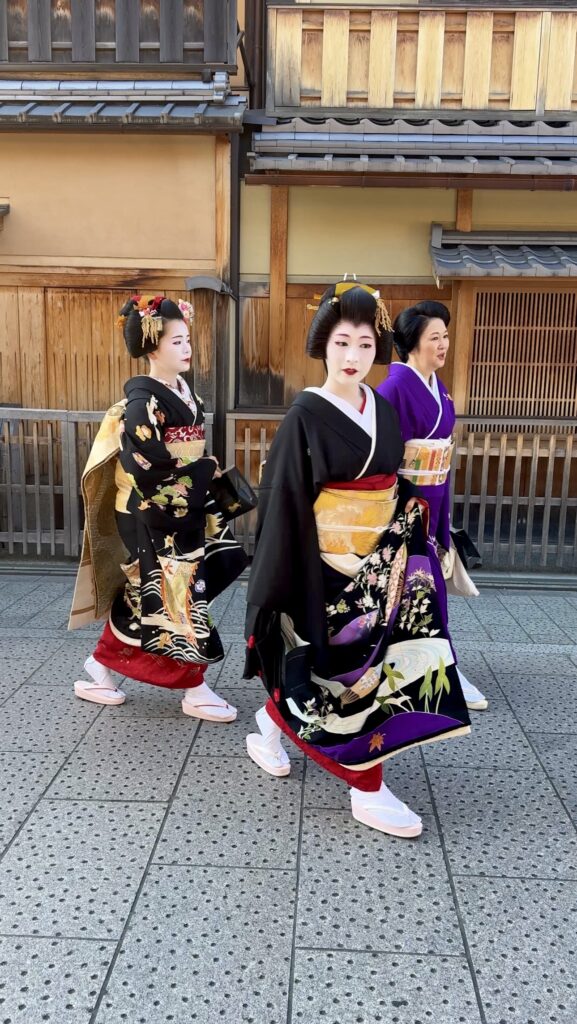
I’d also budget for a few special cultural experiences instead of trying to do it all. Rather than booking multiple tours, visit a few major temples you’re truly interested in. I suggest attending a maiko dance performance where the young maiko dancing in sky-high platform heels makes me look like a rookie when I’m in heels!
The performances are affordable, easy to fit into your schedule, and provide a taste to one of Kyoto’s most famous traditions.
Food is where you can balance your budget effectively too. Save money on daily meals with homemade breakfasts at local cafés, or sampling snacks around Sanjo-dori. Then choose one memorable dining experience (like a traditional kaiseki dinner) to end your stay. You’ll experience Kyoto’s food traditions without feeling like every meal needs to be The One.
For first-time visitors, your goal isn’t to spend as little or as much as possible. It’s to spend it on experiences that make Kyoto memorable and easy to enjoy.
Budgeting for food lovers
Meals for you aren’t simply fuel; they’re part of the reason you travel. A good meal is a ritual; a gateway to a city’s culture, history, and personality. Set aside part of your budget to taste dishes that make Kyoto stand out.
Start your slow mornings with a homemade breakfast. My favourite siphon coffee shop explicitly says they take a long time with every order because it’s made with care. I head back here every time I’m in Kyoto. It’s that delicious and delightful.
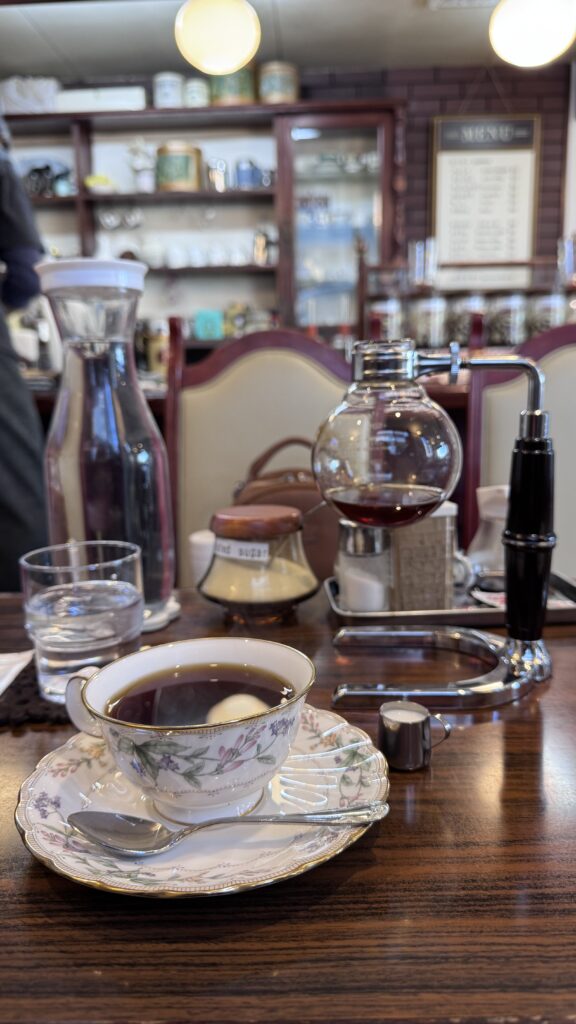
To balance out the meals, I head to Sanjo-dori, my favourite place to snack. Sample traditional onigiri, black sesame crêpes, and excellent coffee without leaving behind an arm and a leg.
Nishiki Market is worth visiting for the extravagance alone. But I highly recommend stopping by the taco stand near the entrance for variety. Part of the joy of eating in Kyoto is discovering its traditional and global cuisine.
For your bigger splurges, indulge in a couple of memorable meals. For a gourmet meal with entertainment, head to a teppanyaki dinner at Dusit Thani hotel. For a truly special Kyoto kaiseki meal, consider dining at Mankamerou, a restaurant that has served Kyoto’s nobility for centuries and is still run by the same family after 10 generations. This is an elegant meal and you’ll think about it every time you think of Kyoto.
Budgeting for culture enthusiasts
You’re someone who wants to experience Kyoto’s history and traditions in memorable ways. I say, plan your budget around temples, castles, and cultural performances that’ll give you a richer meaning to Kyoto’s past.
Nijo Castle opens up the world of the shoguns, while Ryoan-ji lets you in on Zen philosophy through its famous rock garden. Fifteen stones are specially arranged across the garden, but you can only see fourteen at once from any viewpoint. According to Zen, if you end up seeing all fifteen stones in one sitting, then you’ve reached nirvana. Hallelujah!

And leave room in your budget for meaningful souvenirs and trinkets. Look out for handmade ceramics, notebooks, or a temple charm. They’re meaningful souvenirs that’ll remind you of the stories and traditions of Kyoto every time you look at them.
For one final, but thoughtful splurge, choose a geiko performance or a traditional kaiseki dinner to wrap up your trip. Both offer an unforgettable introduction to Kyoto’s art and food culture.
Budgeting for Zen travellers
Zen is the art of taking it easy (as I like to say). If you count yourself someone who prefers to take their time rather than rushing from sight to sight, then avoid cramming your itinerary to the brim.
Prioritize experiences that encourage you to slow down, observe, and to be present in the moment. Don’t rush your mornings; start them slow at a siphon coffee shop with homemade breakfasts at Coffee Bogota.
My favourite order has toast, eggs, and delightful handmade red bean jams, peanut butter, and honey served in tiny Winnie the Pooh honeypots.
Then take long walks along the Philosopher’s Path until you hit the crossroads where you’ll stroll up to the Silver Pavilion. I turned pensive walking along the tree-lined pathways while listening to the small waterfall splash over a rock. It was sublime.
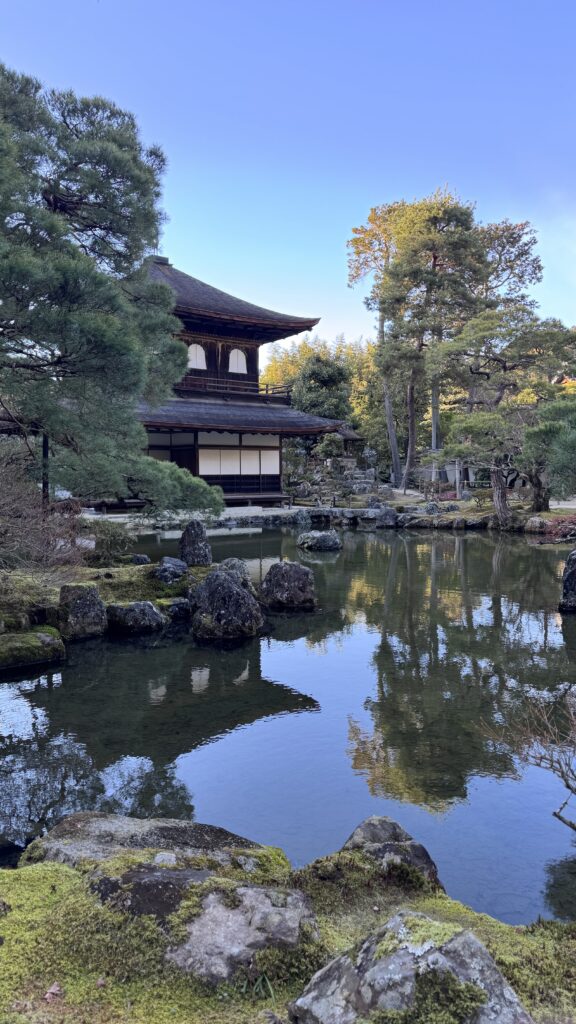
The one experience I’d splurge on is a traditional kaiseki dinner. Kaiseki isn’t just about the food; it’s also about the details. The lacquerware is often painted with delicate landscapes, cranes, and herons.
Each course is carefully presented; every texture and colour is matched with intention. Like Kyoto’s temples and gardens, it’s an experience meant for travellers who appreciate the significance of being present in the here and now.
How the length of your trip impacts your Kyoto budget
1 Day in Kyoto: Spend on convenience and focus on Kyoto
A one-day trip to Kyoto is less about saving money and more about spending strategically. Since your time is very limited, I recommend focusing your budget on convenience and a few thoughtful experiences rather than trying to pack in as much as possible.
I’d consider spending a little more on your hotel location. Staying somewhere central, such as the Shijo district, means less commuting time, making it easier to reach major sights.
With only one day in Kyoto, every hour spent navigating the subway is an hour lost to exploring the city. For the same reason, taxis are often worth the extra cost when travelling longer distances across Kyoto.
I zipped from the Silver Pavilion back to Kyoto centre in a taxi after walking two hours to the temple. With the time saved, I got to enjoy a fantastic steak meal where I even treated myself to a glass of wine that was the same vintage as me! Not having to rush meant I got to wrap up the day with fond memories.
I would skip day trips entirely and dedicate your budget to Kyoto itself. Choose one or two major attractions that truly interest you. Then finish the day with one memorable meal, such as a kaiseki dinner. A one-day Kyoto trip works best when you spend money creating a high-quality experience rather than trying to check off every temple.
3 days in Kyoto: balance cost and experience
Three days gives you the best balance between cost and experience. You’ll spend a bit more, but the extra time lets you spread out your itinerary. Choose a centrally located hotel so you spend less time and money commuting. Then pick the temples, districts, and cultural experiences that matter most to you.
You can comfortably budget for a few major sights over three days because most temple, shrine, castle, and museum entrance fees are pretty affordable. Meaningful highlights include Kiyomizu-dera, Nijo Castle, Kinkaku-ji, Ryoan-ji, or a geisha performance.
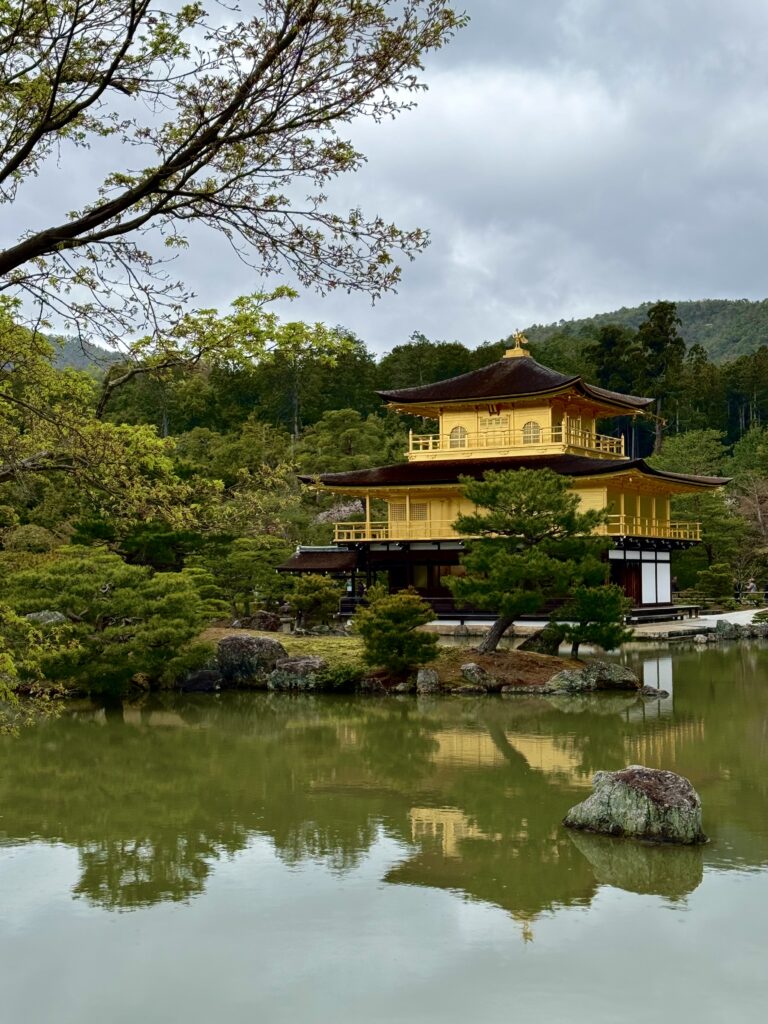
Balance those costs with free (or almost free!) experiences like walking through Gion or wandering Ninenzaka. Or my favourite: strolling the contemplative Philosopher’s Path. It costs nothing to walk and reflect on your life up to this point. And the Philosopher’s Path is the best path to do that on.
The best part about a 3-day trip is you get to balance everyday meals with one or two splurges. Enjoy café breakfasts, snacks, and izakaya dinners. Then spend more on a memorable kaiseki or teppanyaki meal. I wandered into the Minokichi hotel for a kaiseki meal and I was impressed at the range of affordable prices they gave for such a special meal.
The goal isn’t to make every event special; it’s to distribute your budget across three days so you can enjoy Kyoto’s essential experiences while still having time to wander, rest, and explore.
5 days in Kyoto: spend on flexibility and on your bucket-list sights
Five days in Kyoto will naturally cost you more. But the extra spending isn’t really about adding more to your itinerary; it’s about giving yourself the freedom to explore the city without being rushed.
Head to a few major temples like the Golden Pavilion, or the forever-popular shrine of Fushimi-Inari, and actually take your time there to hike up the path. Stroll the preserved streets of Higashiyama and snack your way through Sanjo-dori.

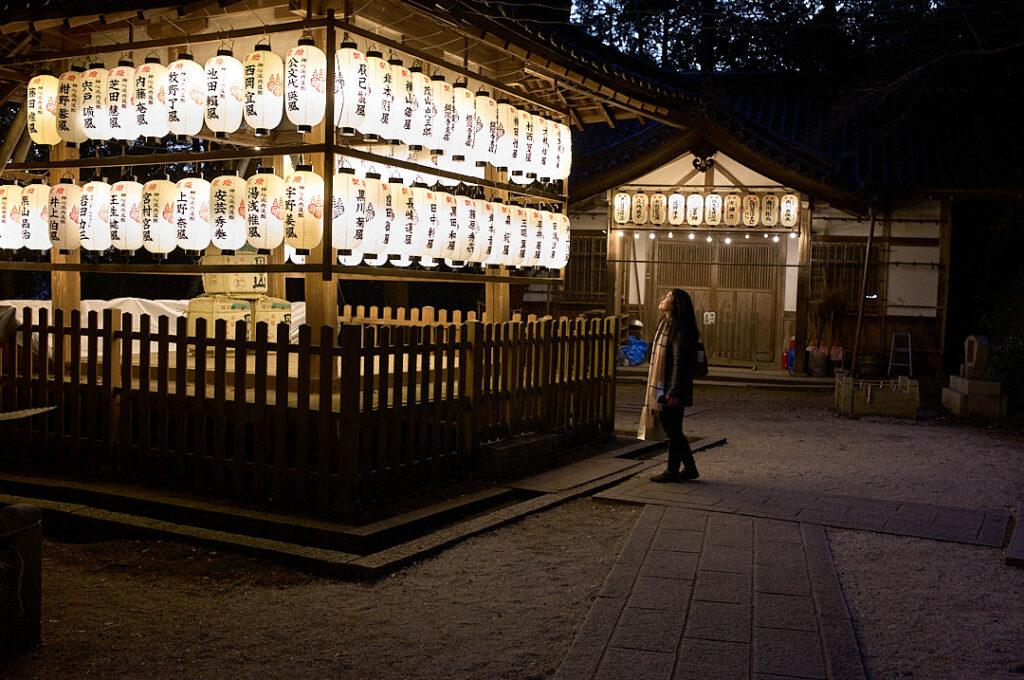
This is where staying in a centrally located hotel is valuable. Paying a little more for convenience means less time commuting and more time enjoying cafés, markets, gardens, and souvenir shopping. I discovered the serene, and a bit eerie, Hachi Shrine by wandering at dusk. This is always my favourite memory when I think of Kyoto.
The biggest advantage of a five-day stay is that you can add on complementary day trips. Nara or Kobe are perfect day trips to add to your Kyoto itinerary. But the best part is rather than cramming more into your schedule, you’re investing in the luxury of experiencing Kyoto at your own pace.
Where it’s worth spending more on hotels
Splurge on a great location when it comes to hotels, especially if it’s your first time visiting Kyoto.
A centrally located hotel means more time to enjoy the city and less time figuring out bus routes. Every hour spent commuting across Kyoto is an hour you could be wandering historic streets or exploring another temple.
I recommend staying in a central area like Shijo, where most of Kyoto’s major sights are within easy access. When you do need to travel farther across the city, don’t hesitate to spend a bit more on a taxi.
A quick ride (though it might cost more than the bus) often saves far more time and energy than navigating multiple bus or train connections. I found that asking the concierge at the hotel to book taxis for us was easy and convenient; they usually arrived just two minutes later!
For first-time visitors, Richmond Premier Shijo Hotel is a great choice. It’s modern, comfortable, and in a great location. No, it’s not the most charming boutique hotel in Kyoto, but it delivers where it matters most: convenience and comfort.
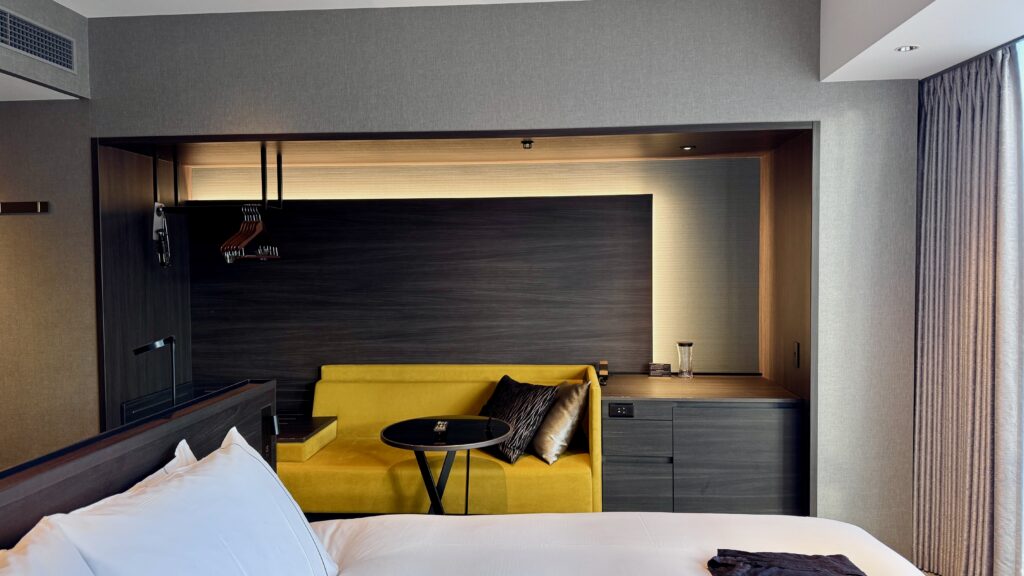
The rooms are spacious, it’s in a walkable location with easy access to taxis, and it’s close to Kyoto’s major attractions. It’s a practical value-spend for travellers who want to spend their trip exploring the city, not its transport system.
Where food lovers should spend and save
Spend on delicacies and delightful dishes
Food is one of the fastest ways to remember a place. Long after you’ve forgotten train routes and temple names, you’ll remember the taste of grilled skewers or the plump bites of a fresh onigiri.
For food lovers, set aside your budget for great eats. A kaiseki dinner is where I’d carve out a bigger portion in the food budget. Kaiseki is Kyoto’s most important culinary tradition. It combines seasonal ingredients, beautiful presentation, and handcrafted lacquerware into a meal that’s as much about aesthetics as flavour.
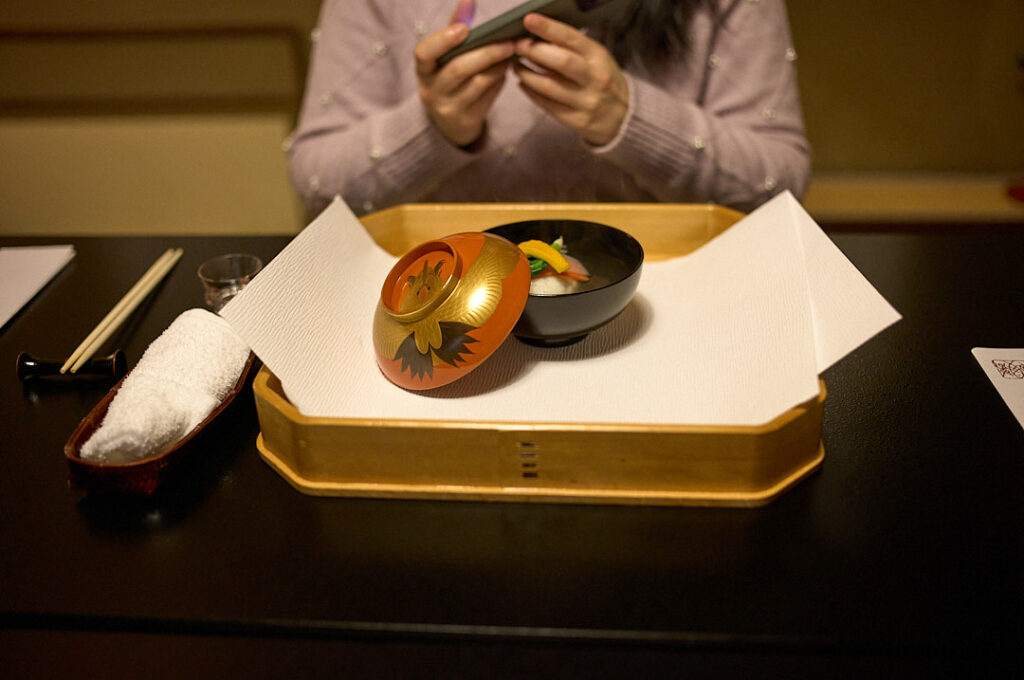
I also recommend trying a delightful, but delicious, teppanyaki dinner. This is where food meets entertainment! Chefs prepare your meal right in front of you over a sizzling iron grill while dazzling you with cutlery acrobatics at the same time.
One of my most memorable teppanyaki meals involved watching a live abalone being cooked right before it arrived on my plate. Let’s just say there was no question as to how fresh it was. Between kaiseki, teppanyaki, and other Kyoto food finds, you’ll experience a side of the city that’s known for its excellent gourmet food culture.
Save on Wagyu beef
Where I’d save is by avoiding the temptation to eat at Wagyu joints. Some of the best bites I had were simple onigiri, black sesame crêpes, and street snacks along Sanjo-dori.
While good food can be found anywhere, I found restaurants in heavy tourist areas, like at Pontocho Alley, charging premium prices for Wagyu beef that didn’t deliver on taste.
If you want to try Wagyu beef, save that splurge for a day trip to Kobe instead and try real Kobe beef there. In Kyoto, focus on a few meaningful food experiences rather than trying to make every meal into The Dinner Experience.
Where culture travellers should spend and save
Splurge on experiences unique to Kyoto
If culture is what attracted you to Kyoto, then spend your money on experiences that are unique to the city. One of my favourite memories happened by chance while I was wandering through Gion.
I saw several maiko dressed in full black-crested kimonos on their way to a graduation ceremony. Apparently these kimonos are only worn during the New Year.
Later on, I stumbled into the Geiko and Maiko Museum just in time to tour the exhibits and watch a traditional maiko dance performance. Don’t skip the kimono display on the second floor; it’s a remarkable display of the art of textile design. And wear shoes that are easy to take off because you’ll be asked to remove them before entering the museum.
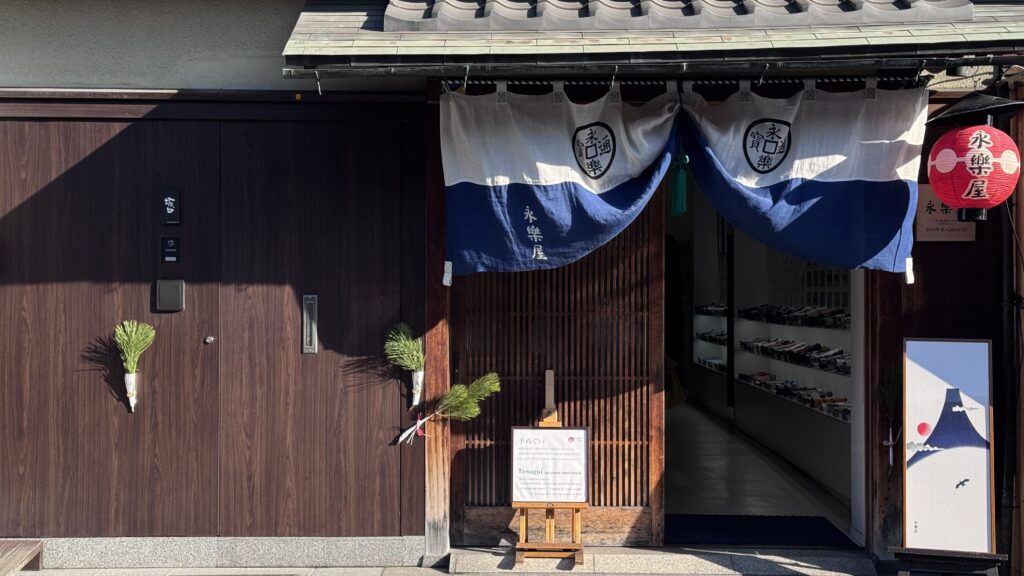
If cherry blossom season is on your bucket list, then this is a major event worth spending on. Nijo Castle is stunning in spring with expansive gardens lined by bright pink sakura trees. It’s big enough that it doesn’t feel crowded, even if there are crowds.
Make time for the Philosopher’s Path and the Silver Pavilion. The entrance fees are modest, and walking slowly through these quiet areas of Kyoto is quintessential Kyoto. And after a long afternoon of wandering, don’t feel guilty about splurging on a taxi back to the city centre. You’re buying back time, and energy, to enjoy the city.
Save on guided tours
Unless a tour offers something you really can’t access on your own, then this is where I’d avoid spending my money. Kyoto is one of the easiest cities to explore on your own.
Some of my favourite moments were when I wandered down side streets without a plan. For example, I stumbled into a charming neighbourhood filled with French and Spanish restaurants that most tours would never include.
Tours, especially food tours, also add the cost of a guide on top of meals that’s already pretty affordable on its own.
Rather than paying marked-up prices for a guided (but bland) tasting experience, I’d put that money toward a memorable kaiseki dinner, a maiko dance performance, or something else that’s unique to Kyoto. Trust your gut, wander off the roads best travelled, and let yourself be surprised.
Where slow travellers should spend and save
Splurge on comfort and convenience
Travellers who like to take their time and enjoy the moment should spend their money on comfort and convenience. I always stay at Richmond Premier Shijo because it makes exploring Kyoto painless.
It’s not the most charming hotel, but it’s modern, clean, and located within walking distance of many major sights. I’d also spend on experiences where you can wander rather than rush. One of my favourite mornings was spent at a siphon coffee shop where breakfasts are homemade and where the coffee is brewed like a meditative ritual.
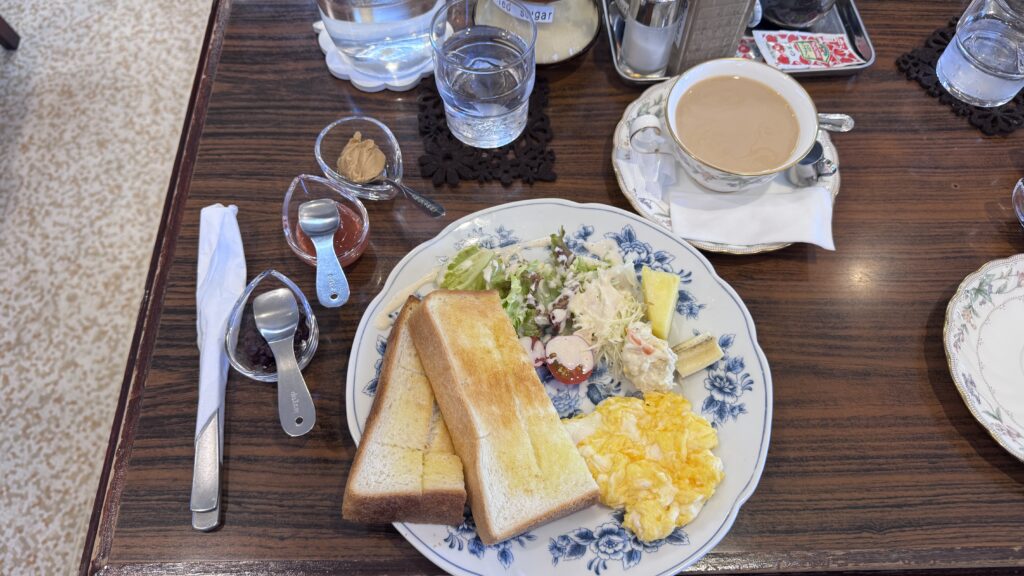
I’d also splurge selectively on transportation when it buys back time. Taking a taxi to Ryoan-ji makes more sense to me than spending extra energy finding multiple bus routes. Once there, you can wander the grounds, admire the landscape and cherry blossoms, and spend time contemplating the famous Zen rock garden.
Apply this same attitude to places like the Philosopher’s Path and Hachi Shrine. I only discovered the lantern-lit Hachi Shrine because I had enough time to wander without a strict schedule. It’s still one of my favourite, and slightly eerie, discoveries in Kyoto.
Save on a packed itinerary
The biggest place I’d save is energy; not necessarily money. Slow travel and crammed itineraries don’t mix. You don’t need to visit every famous temple simply because someone online told you to. Instead, choose the temples, shrines, gardens, and neighbourhoods that actually interest you.
Maybe you’re fascinated by Shinto shrines. Or maybe Zen gardens are more of your thing. Focus on the experiences that matter to you rather than trying to check off every landmark.
I’d also avoid forcing yourself to use the train or bus simply because you’ve already paid for a transit pass. Walk when the trip is enjoyable, opt for a taxi when it saves time, and don’t feel obligated to maximize every bus pass.
My favourite days in Kyoto usually involved one major attraction, one smaller find, and plenty of time to stroll. That’s how I stumbled into a charming washi paper journal shop in Ninenzaka while everyone else was running towards Kiyomizu-dera. The slower I travelled, the more I saw Kyoto’s charm.
Where it’s worth spending on transportation
Splurge on convenience
Taxis are one of the best ways to save time in Kyoto. You can order one through Uber and an official taxi will arrive, which makes travelling across the city much easier.
After walking to the Silver Pavilion, I took a 30-minute taxi ride back to the city centre. My legs were aching, and the ride was completely worth it because I still had time and energy to enjoy dinner without rushing.
Fast trains can also be worth the extra cost for day trips a few hours away. You’re spending more, but you’re also spending less of your day commuting.
We paid extra to reach Tokyo faster so we could visit a friend who was recovering from a cancer scare, and we got to enjoy a lovely dinner with him. That moment mattered way more than the money we spent on the train.
Save on rail passes you won’t need
You probably don’t need a JR Rail Pass unless you know you’ll be travelling between several cities across Japan. The passes are expensive, useful for fast trains, and irreplaceable (unless you buy a new one if you lose it). Rail passes don’t make sense for a trip where you’re mostly staying in central Kyoto with a few short day trips to Nara or Kobe.
Same idea for bus and subway passes: don’t buy them unless you know it will make your itinerary easier to conquer. Kyoto is expansive but walkable, and taxis are often the quickest option for longer distances. Opt for a taxi if you need to get farther out; spend your time exploring rather than trying to figure out complicated subway stops.
Walking (where it makes sense) is the best way to discover Kyoto. You’ll find shrines hidden in plain sight, charming restaurants in alleyways, and even entire neighbourhoods you never planned to find, like the little French quarter I stumbled into while wandering into a side street.
How seasons affect your Kyoto budget
Spring for higher costs and frenzy
Spring in Kyoto is vibrant, festive, but expensive. Hotels double their prices compared to the winter season. It’s harder to just walk into a restaurant, and the city is crowded, mightily crowded. Everyone is here to witness the blooming of cherry blossoms.
But guess what? There’s no guarantee you’ll actually see sakura blossoms. Timing changes every year depending on the weather. Sometimes they bloom weeks early; sometimes weeks late. I got lucky and saw cherry blossoms in full bloom in late April. For me, it was absolutely worth the experience at least once.
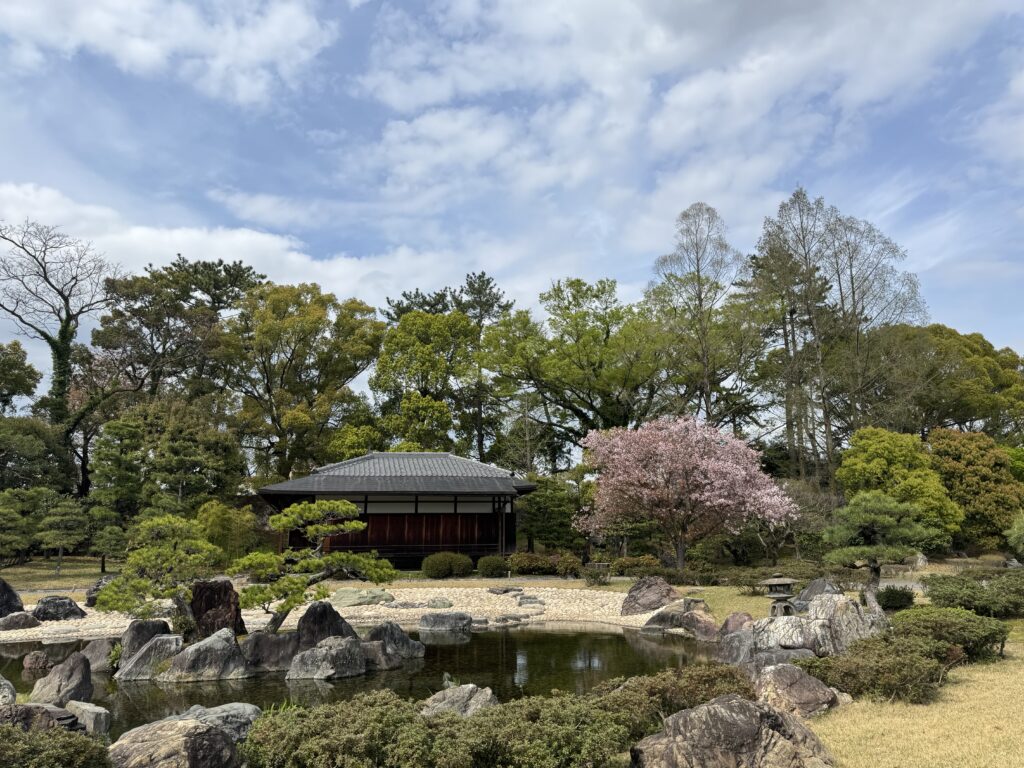
Visiting Kyoto in spring (though it’s more expensive) does have its perks. You get to see some of Kyoto’s most spectacular spring festival events. I had a gorgeous kaiseki meal at Mankamerou where the lacquerware, blossom-inspired dishes, and seasonal ingredients looked as beautiful as they were delicious. The unagi dish I was served was so perfect that I swear it would’ve been Plato’s ideal form of the sea eel.
Spring is also when Kyoto’s most important geisha performances and Noh theatre productions happen. At the Maiko Museum, I even learned that certain kimono styles are only worn for the cherry blossom season. If cherry blossoms and seeing rare geisha performances are on your bucket list, spring in Kyoto is where you splurge with purpose.
Winter for lower cost and tranquil times
Winter gives you the opposite experience of spring frenzy, but it’s just as special. First, the cost: hotel prices are usually at their lowest. Second: there are little to no crowds, and most of Kyoto’s famous temples and shrines feel truly peaceful without all the people.
If you want Kyoto to yourself, this is the time to go.
The weather is chilly, but pretty tolerable. And a light dusting of snow on temple roofs can make the city feel even more serene. I find winter is perfect for slower travellers. During a walk through Gion, I unexpectedly saw maikos wearing special New Year kimonos that are only worn during this season. These moments couldn’t happen when you’re fighting through crowds.

The trade-off is that most businesses close early and certain attractions may close temporarily around the New Year. Markets shut down earlier, and you may need to plan carefully if there’s a specific restaurant or sight you want to visit.
But winter offers the best value for travellers who value quiet temple visits, easier restaurant reservations, and a calmer vibe. You’ll spend less money for the same value, there are almost no crowds, and you get the chance to appreciate the city on your terms.
Where to save and where to splurge on souvenirs
Splurge on meaningful souvenirs
Souvenirs don’t have to be expensive to count! Some of my favourite souvenirs from Kyoto are affordable trinkets that remind me of a specific moment from the trip every time I look at them.
Instead of getting generic junk, spend a bit more on craft goods that show Kyoto’s artisan culture. Handmade sake cups, pottery, and washi paper products are keepsakes worth splurging on. I still have a washi paper notebook I found in a small shop along Ninenzaka that most visitors walked right past.
There’s a hand-stitched maiko on the cover, and every time I use it, I think of the time spent wandering at my leisure in Kyoto, even on crowded tourist streets.
I have a particular penchant for ceramics, especially handpainted sake cups. They’re small, reasonably affordable, and you can use them for tea or coffee, not just sake. Temple charms are another souvenir many travellers dismiss as touristy, but I think they’re part of the temple experience.
I love the tiny charms shaped like traditional Japanese school backpacks. Inside, it’s complete with a good luck talisman wishing the bearer academic success. Whether you get a ceramic sake cup, a handmade notebook, or a temple charm, the best souvenirs are the ones that help you remember Kyoto long after the trip is done.
Save on generic tourist stuff
The souvenirs I usually skip are the mass-produced items made outside of Japan. Stuff like generic keychains or gnarly notebooks with no connection to Kyoto’s art culture. If a souvenir doesn’t remind you of a specific moment from your trip, then it’s probably not worth spending much money on.
On the other hand, who am I to tell anyone exactly what they should or shouldn’t buy? The real purpose of a souvenir is to preserve a memory. If a particular item makes you smile every time you look at it, then it was probably money well spent regardless of what it cost.
In that sense, I don’t think the goal is necessarily to save money on souvenirs. It’s to spend your money on the ones that will still mean something to you decades later.
The best Kyoto budget fulfills your priorities
Your best budget for Kyoto is one that fulfills what you prioritize. If you love good food, then check out the meals you’d like to have and start there. Prefer cultural performances and souvenir shopping? Go for it!
Do you like wandering from temple to shrine? Then plan most of your budget around temple hopping!
There’s really no correct dollar amount you should, or shouldn’t, spend.
And yes, you should spend within your comfort, and literally, within your budget. But It’s up to decide how you’d like to prioritize the experiences that’ll give you meaning for years to come.
And you don’t need permission to save on things you don’t care about. Not a big Noh theatre person? Then skip it. Don’t care about day trips for this particular trip? Then don’t buy that JR Rail pass!
Plan your spending around what matters to you instead of on the cheapest thing possible. As long as you’re spending it on experiences you care about, then it’ll always be money well spent. Do your Kyoto budget your way and you’ll be doing yourself right by you.