This post contains affiliate links to trusted partners and as an Amazon Associate, I earn from qualifying purchases at no extra cost to you. All opinions are my own.
I’ve visited Kyoto twice: once during cherry blossom season (gorgeous, but frenzied) and once in winter (tranquil and still). I’ve seen the city at its most crowded and at its most serene. And the contrast between the two is striking, not just in ambiance, but in pricing, pacing, and overall experience.
Kyoto is ideal for first-time visitors to Japan who are drawn to culture, history, and the preservation of traditional life. If you’re looking for futuristic skylines and high-energy nightlife, Tokyo may be a better choice. But if you want meditative temple walks, seasonal dining experiences, preserved historical districts, and a slower cadence to your days, Kyoto is where you want to go.
Kyoto is a city designed for thoughtful travel. Castles and historic neighbourhoods feel like living history. Temples and shrines are architectural marvels. Dining ranges from casual street food to meticulously prepared kaiseki, giving you excellent value for the quality and care behind each meal.
I’ll help you decide if Kyoto is worth your time, money, and energy. I’ll walk you through who Kyoto is best for, how many days you really need, the best time to visit (and what to expect seasonally), where to stay depending on your travel style, what it costs, and how to navigate local etiquette respectfully and confidently.
If you’re considering Kyoto for your first trip to Japan, I’ll help you decide whether it’s the right fit for you and how to experience it meaningfully.
Kyoto Travel Basics: What to Know Before You Go
Language: Japanese but most businesses understand some English. Show the destination addresses in Japanese on Google Maps to taxi drivers to make it easier to communicate. Don’t forget you can ask your hotel concierge to help book taxis and restaurants too.
Currency: the Japanese Yen
Voltage: 120V. See my post Essential Items to Pack in your Carry-on for sturdy international adapters to get for your next trip to Japan.
Major Train Station: Kyoto Station
Major Airport: Best options are to fly into Osaka at Kansai International Airport then take the high-speed railway from the airport to Kyoto Station.
Short on Time? Kyoto Travel at a Glance
Just want the essentials upfront? Here’s what you need to know:
🌿 Best for: Travellers who want calm, culture, temples, and preserved history.
⏳ Ideal stay: 3 days for a balanced cultural experience.
🏯 Must-see sights: Kinkaku-ji (Golden Pavilion), Kiyomizu-dera (Water Temple), Fushimi Inari (shrine famous for its torii gates), Gion district (geisha centre).
🌸 Best time to visit: Spring for cherry blossoms, winter for fewer crowds and lower prices.
🚄 Easy day trips: Nara (sacred deer and Todai-ji), Kobe (nature, pottery, and Kobe beef).
🍱 Food to try: Kaiseki dining, fresh seafood at Nishiki Market, onigiri from Sanjo-dori.
🚶 Getting around: Walk as much as possible. Use buses, trains, and affordable taxis when needed.
Kyoto is safe, clean, easy to navigate, and preserved in tradition. If you’re looking to slow down and immerse yourself in historic Japan, this is the city to do it in.
Keep reading for exactly how to structure your days, what to budget for, and how to make the most of your first visit.
Is Kyoto Worth Visiting?
Kyoto is the land of temples, shrines, castles, and preserved traditions. If you want to experience Japan in its former, imperial glory, then Kyoto is your best choice. You’ll truly enjoy Kyoto if you prioritize slow travel. Think calm mornings, leisurely temple visits. Nightlife is restrained and minimal.
As calming as Kyoto is, it does get busy in the summer. Expect crowds at famous temples during peak season. But Kyoto is also spread out, which means you can discover hidden gems outside of downtown. You can walk everywhere for maximum exposure, but buses and taxis are easy to navigate.

Is it worth it for you to visit Kyoto then? It will be if you’re looking to soak in Japan’s traditional culture, such as respecting the privilege of witnessing a geisha dance performance. And who will be happier visiting another city like Tokyo instead? Probably someone who wants the techno-futuristic skyline and unlimited party night-life. Or someone who’s a Tokyo Drift or hard-core anime fan. Kyoto might not be for you at this moment if you’re looking for adrenaline-pumping action.
Kyoto is for travellers who want to slow down. If that’s what you’re searching for right now, Kyoto is it.
Is Kyoto Safe for Solo Female Travellers?
Kyoto is one of the safest cities in the world for solo female travellers. It’s also safe to walk at night by yourself in Kyoto, but always be alert to your surroundings. Trains can get crowded, so watch your valuables. Kyoto is also very welcoming to LGBTQIA2S+ travellers.
Crowded tourist sites are fertile places for pickpocketing. Keep your bags in front of you and keep an eye on your belongings.
Food and sanitation are strictly regulated in Japan, meaning you can drink the water straight from the tap.
Japan is prone to earthquakes, but Kyoto has been relatively stable. Pay attention to your hotel’s instructions on what to do if there’s a quake.
Best Time to Visit Kyoto for First-Time Travellers
If you want to take your chance on cherry blossoms, then go in spring. If you want to avoid crowds, have more leisure time, then go during winter.
Spring in Kyoto for cherry blossoms
Spring is perfect for travellers who’ve dreamt of seeing cherry blossoms bloom.
Cherry blossoms are extremely special, sacred even, in Kyoto and Japan. But the time of blooming is unpredictable. If you’re planning a trip to Kyoto to see cherry blossoms, make sure to check the schedule to see when they’re predicted to bloom. Book flights and hotels way ahead in advance and expect higher prices and large crowds.
Splurging on a trip to Kyoto in spring is absolutely worth it and even more so if you’re fortunate enough to see the cherry blossoms.
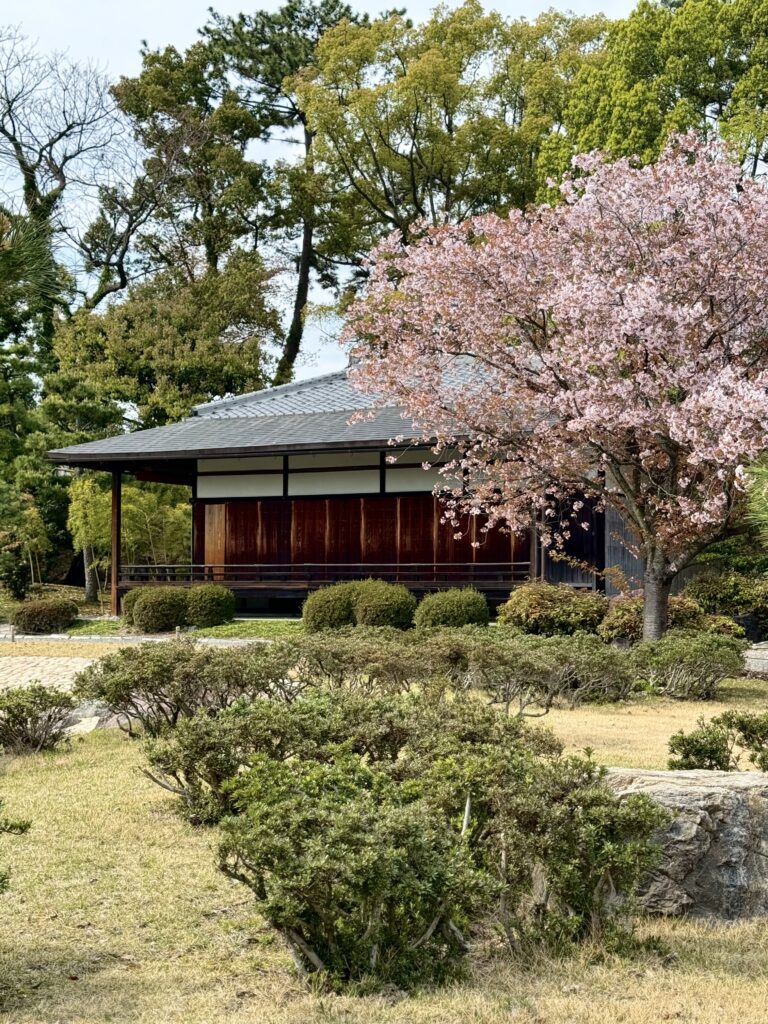
You’ll get stunning photos of blossoms from street corners to major temples. Nijo castle garden looks like a festival of pink. Restaurants also pay homage to these blossoms. The kaiseki (seasonal chef’s special menus) are exceptionally well-executed with cherry blossom themes during this time.
Yes it’s more expensive to visit Kyoto during blossom season, but if you value rare moments that define a city, then this is an experience that justifies the splurge.
Winter in Kyoto for fewer crowds and lower prices
Winter is for travellers who value ambiance over crowds. It’s perfect if you’ve romanticized seeing snow on the temple roofs. Not only is it magical to see Kyoto in the winter snow, it’s also easier on the wallet.
December to February is considered low tourist season in Kyoto. In short, prices for hotels and flights are much cheaper. You can easily get a seat at any restaurant without booking in advance. The only exception is if you visit during the first week of New Year. From Jan 1st to 7th, most restaurants close early or shut down for the holiday week.
Winter in Kyoto hovers around 5℃, which is the ideal temperature. It’s cold, but not freezing. And there are little to no crowds at the temples or shrines. If you’re looking for a beautiful, snowy visit to the land of temples with no crowds and lower prices, then visiting Kyoto in winter is the way to go.
How Many Days Should You Spend In Kyoto?
1 day in Kyoto: essential highlights
If you’re passing through Kyoto as part of a broader Japan trip, then focus on visiting one temple, one cultural experience, and one memorable meal. This will give you an exquisite, but limited, introduction to Kyoto. For my exact strategy on top places to visit, best places to eat, and where to stay in Kyoto for 1 day, see my detailed one-day Kyoto itinerary.
For first-time travellers on a tight timeline, walk through Higashiyama district to feel the ambiance of old Kyoto. Visit some boutiques along the path as you head towards Kiyomizu-dera Temple for a taste of Kyoto’s architectural beauty. You’ll experience ancient Japan and you’ll tour one of Kyoto’s most stunning temples, all in one easy route.

Finish off your day with a kaiseki dinner to immerse yourself in classic Kyoto cuisine. You’ll be served the freshest seasonal ingredients cooked to meticulous standards. While one day in Kyoto barely scratches the surface, it still captures Kyoto’s signature highlights.
3 days in Kyoto: a compact cultural experience
3 days is the sweet spot for first-time travellers. You’ll get to experience Kyoto’s most iconic sights, indulge in local cuisine, and enjoy cultural performances without feeling rushed. Get my full break down on how to spend the perfect 3 days in Kyoto in my full three-day Kyoto itinerary.
Your mornings are relaxed while you enjoy a home cooked breakfast and fresh coffee. You can dedicate time to visiting a historic site, like Gion, to feel what old Kyoto was like. With 3 days, you can add in time to enjoy a geisha dance performance and even tour more than one important temple.
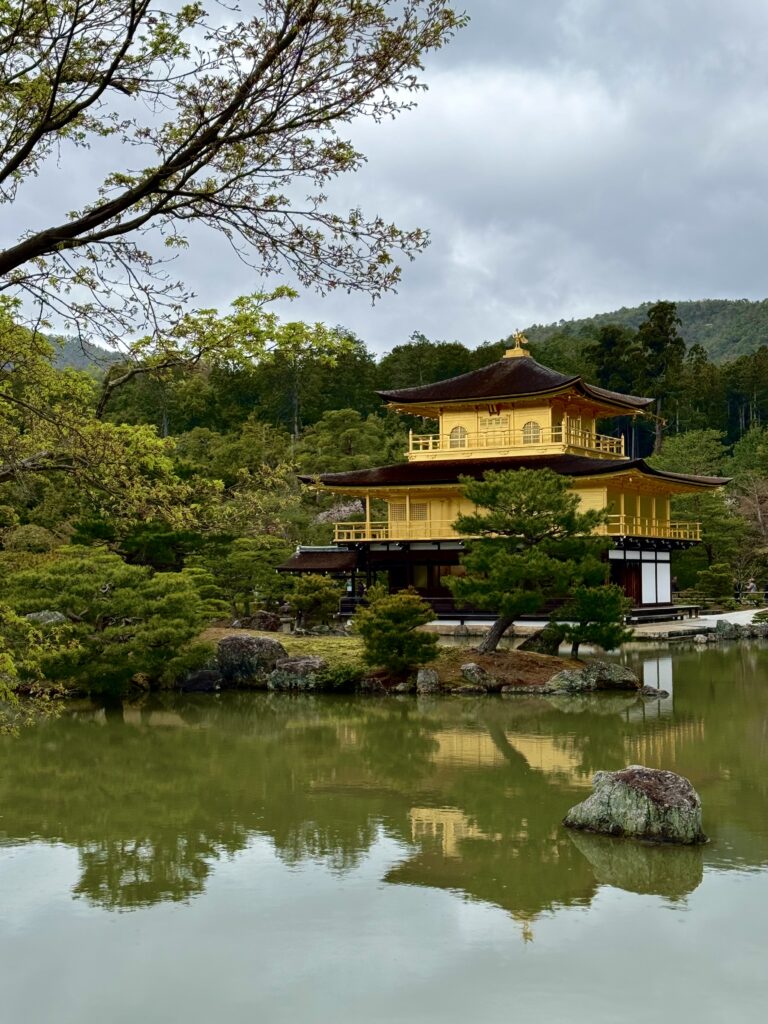
One of those temples is Kinkaku-ji (or Golden Pavilion), a stunning temple covered in gold set in a perfectly manicured landscape; a signature Kyoto attraction for all first-time visitors. Another temple worth visiting is Kiyomizu-dera, where climbing to the top of the temple gives you an expansive view of the city.
3 days in Kyoto also lets you enjoy a few memorable meals. Stroll along the Sanjo-dori neighbourhood. You’ll find a variety of restaurants serving everything from izakaya, to noodles, to onigiri (rice balls), to tonkatsu (breaded deep fried pork). It’s a great selection at optimal prices. For a truly special dining event, order a kaiseki set dinner at a fine-dining restaurant where exceptional meals are served according to season.
With 3 days in Kyoto, you’ll get a balanced and complete trip without feeling the pressure to rush.
5 days in Kyoto: a slow and immersive stay
5 days is perfect for travellers who want an immersive stay with breathing room. You’ll get to tour iconic temples and shrines, experience cultural performances, and even take a few day trips to complement your journey.
You can take your mornings slow. Discover new cafes and breakfast spots around the Sanjo-dori neighbourhood.
5 days gives you ample time to explore major temples, but also lesser known gems. Take your time walking through Higashiyama district and you’ll spot temples and shrines hidden in plain sight on the side of the road. The major temples like Kiyomizu-dera are on one end of town while the Yasaka shrine is on the other. You’ll get to explore the district from end-to-end and even take in the cherry blossoms if they’re in season.
Your afternoons can be unstructured, giving you chances to catch a spontaneous geisha dance show in Gion. With 5 days to wander, you’ll get chances to explore nearby cities outside of Kyoto. Nara or Kobe are perfect places to make a day trip for. They’re only 30 minutes to 1 hour away from Kyoto by local train. You can fit in Nara if spotting free-range sacred deer is on your bucket-list. Or fit in Kobe instead if trying genuine Kobe beef is more tempting to you.

5 days in Kyoto isn’t essential, but it gives you the most immersive and unhurried experience. I prefer creating itineraries that gives me breathing room rather than forcing me to rush from sight to sight. It’s something I’ve learned after planning slower-paced trips across Europe.
Best Things to do in Kyoto for First-Time Visitors
First-time travellers who want culture and history should visit a few must-see historic sites.
Must-see temples and shrines
Travellers who love architecture should visit the main attraction temples and shrines first. They’re the architectural wonders of Kyoto and shouldn’t be missed on your first trip.
Kinkaku-ji (The Golden Pavilion)
It’s a temple that juts out onto the lake. And yes it’s all covered in gold. It was originally built for an important shogun back in 1397. The park is small, and easy to explore. You can walk the whole park in less than half an hour.
Come early in the day to avoid crowds during peak season. The real beauty of this place is seeing the golden structure reflected onto the lake in a perfectly manicured garden. The Golden Pavilion is a signature sight that defines Kyoto and is ideal for first-time travellers.
Kiyomizu-dera Temple (The Pure Water Temple)
A stunning tango-red temple, Kiyomizu-dera sits on top of the Higashiyama hill. With that being said, it takes about an hour to walk up there from downtown Kyoto. You’ll get to take in the scenic views through historic Higashiyama district if you decide to walk. You can also take a bus partway up the hill before walking the rest of the way to the temple.
The temple’s top location means you’ll get an incredible view once you’re up there. If you want to get a sense of what it felt like to look out at Kyoto during ancient times, this is the temple to do it at. The temple is surrounded by stunning landscape and if you’re lucky enough to be there during cherry blossom, you’ll witness a splendid view in shades of pink. This temple is extremely popular, so expect crowds at all times of the year.
Fushimi Inari Shrine
Miles and miles of vermillion torii gates make up Fushimi Inari. This shrine is ancient; thought to be built before 794. It’s surrounded by fox statues who are thought to be messengers to the shinto god of rice (or Inari).
And this shrine is probably going to be the busiest of them all during peak travel season. Fushimi Inari is on every brochure, so lots of tourists will be there. But spending even half an hour here makes it worthwhile to soak it all in.
The entire walk is long, but you can turn back anytime on the path. And crowds thin out the farther you go. Fushimi Inari is a must-visit shrine for travellers who love history, quirky statues, and immersive nature walks.
Historic districts to explore
Gion Geisha District
Gion is the official geisha district. It’s where young ladies train to be geishas and where the traditional wooden teahouses are still in operation. Be respectful of geishas if you do see them, however. They are working professionals, so please don’t stop them or ask to take selfies with them.
Visiting Gion in the early to late afternoon is best if you want to enjoy a maiko dance and tour the geisha museum. There aren’t too many crowds here during the year except for cherry blossom season. That’s when it’s peak time for geishas to put on several dance performances for weeks at a time.
Gion offers a rare opportunity to witness tradition that’s centuries old and will be one of the most meaningful stops on your itinerary.
Higashiyama District
This is one of Kyoto’s best preserved historic districts. There are lantern-lit wooden houses, delicate drapes on doors, narrow lanes to stroll on. This is where you go to experience a sense of Kyoto’s ancient capital.
Walk the stone pathways, visit the cafes and boutiques, and discover the myriads of shrines and temples along the path to the Kyomizu-dera Temple. Expect lots of crowds here at all times of the year. For history lovers, Higashiyama deserves a big spot on your itinerary.
Pontocho Alley
Pontocho is a narrow alley filled with restaurants. You should come here to walk the tight lanes and experience the almost eerie feel of the neighbourhood at night. Other than that, I wouldn’t recommend eating here. There’s not much variety; the restaurants serve mostly wagyu at inflated prices since they cater heavily to visitors.
Pontocho is usually crowded but still accessible and worth the walk for the ambiance. This is a great area for immersing yourself in old-time Kyoto, but it’s best to eat elsewhere for better value.
Where to Stay in Kyoto for First-Time Travellers
Kyoto is compact and walkable, but your choice of neighbourhood will define how effortless your days feel. Staying centrally can mean more time exploring and less time fumbling with the subway.
Shijo district for a quiet and central base
Shijo is an ideal base for first-time visitors who want convenience without constant crowds. Gion and Pontocho are about 20 to 30 minutes on foot. Nijo Castle is roughly a 15-minute walk away. Sanjo-dori’s covered market and casual eateries are nearby, making meals easy and affordable.
Kyoto Station (where the shinkansen trains are) is about 15 minutes away by taxi, which makes day trips straightforward.
What makes Shijo a particularly great spot is it’s central enough to reach major attractions easily, but far enough from the busiest tourist streets so it’s calm and quiet at night.
For travellers who want a practical, well-connected base without sacrificing sleep or space, Shijo is one of the best choices in Kyoto.
Gion: Kyoto’s historic geisha district
Gion is a good choice if you’re planning to view several geisha performances during your stay. It’s a historic neighbourhood, but strict due to it being THE geisha neighbourhood. Since it is a working area, it’s more regulated than other districts. You’re expected to respect rules such as which streets to avoid and what you can’t take pictures of.
There are traditional ryokans and exceptional hotels here. But given the popularity of the area, the crowds start congregating early and they stay late. However, Gion Corner (the official geisha performance centre) is literally around the corner. It’s steps away and you won’t have to navigate the city subway to get here.
For travellers who want to be close to cultural performances without spending time getting to the venue, then this is a good neighbourhood to stay in.
Higashiyama for old-world charm by major temples
Higashiyama is ideal for travellers who want to immerse themselves in Kyoto’s most iconic scenery. Think cobblestone lanes, preserved wooden houses. Several of the city’s most famous temples, including Kiyomizu-dera, are located here.
Staying here means the historic streets are literally steps from your hotel doorway. Higashiyama is old-world feeling with plenty of character. You’ll get it all to yourself during early mornings and evenings when the crowds have dispersed.
Because Higashiyama is one of Kyoto’s most visited areas, large crowds are common. Accommodation options tend to be smaller boutique hotels or traditional inns rather than large modern properties.
For travellers who want charm and proximity to major temples, Higashiyama is one of the most picturesque areas in Kyoto.
How to Get Around Kyoto
Kyoto is spread out, but it’s easy to navigate. Japan is famous for its efficient transportation system after all. And Kyoto is a very walkable city. You can walk pretty much anywhere and discover a charming temple around each corner.
Walking in Kyoto and what to expect
Bring good walking shoes. Kyoto downtown is relatively flat, but there are lots of hills you’ll have to hike up to see some famous temples. Two that come to mind are Kiyomizu-dera in Higashiyama and Gingaku-ji (Silver Temple) in the outskirts of town. They’re reachable by walking, but getting a taxi to the Silver Temple is worth the money to save time and energy if you’re not feeling the hike.
At the end of day, invest in very good walking shoes to explore Kyoto. Walking is definitely worth it because you’ll discover shops and sights you won’t find any other way.
Taking public transport in Kyoto
Get the tourist transport package at Osaka airport if you plan on using public transport a lot. The package comes with passes for buses and subways in the Kyoto area that’s cheaper than buying individual tickets.
Taxis are relatively affordable. They start at 400-700 yen and increase by 100 yen for every kilometre. They’re a quick and efficient way to get to farther places without hassle.
If taking the train or subway, follow the ticket machines’ instructions for buying tickets. Trains are good for inter-city travelling that a subway might not reach. Sometimes you need a base ticket plus additional tickets for high-speed trains. Don’t hesitate to buy tickets at the customer service ticket counter if you need help.
How Much Does it Cost to Travel to Kyoto?
Kyoto is more affordable than Tokyo, but it’s not exactly a bargain destination, especially during cherry blossom season. Accommodation and transport will be the biggest expenses for first-time travellers. However, dining and cultural experiences in Kyoto offer excellent value for the quality you’ll get.
Typical daily budget for first-time visitors
Your overall spend depends largely on where you stay and how you dine. As a general guide:
- Budget travellers: about $120-$200 CAD per day
- Mid-range travellers: $200-$350 CAD per day
- Higher-end stays: more than $400 CAD per day
Those price ranges include accommodation, meals, transport within the city, and entrance fees. Kyoto can absolutely be done on a moderate budget, but keep in mind that a few thoughtful splurges are well worth it here.
Hotel prices in Kyoto
Hotel prices vary widely depending on location and season.
Expect to pay more for a centrally located hotel in areas like Shijo or near Gion, especially in spring. We paid around $270 CAD per night for a well-located mid-range hotel in central Kyoto. It’s within walking distance of major temples and only about 15 minutes from Kyoto Station. The convenience saved both time and energy.
There are budget hotels available further from the city, but location makes a huge difference in how smoothly your days run.
Airport transfers to Kyoto from Kansai International Airport
Getting to Kyoto from Kansai International Airport will cost around 6,000 to 6,500 Yen one way via the Haruka express train. It’s not cheap, but it drops you off directly at Kyoto Station quickly and comfortably.
Taxi fares are relatively reasonable. Base fares typically start around 400–700 Yen and increase incrementally by distance. They’re worth using to get to temples on the outskirts of the city when you want to save time and energy.
If you’re travelling frequently within the city, look into rail passes available at the airport to save on buying individual tickets.
Food costs in Kyoto
Dining in Kyoto ranges from affordable casual meals to refined seasonal tasting menus.
- A simple café breakfast with coffee costs around 1,000 to 1,500 Yen.
- Casual noodle shops and izakayas are affordable and satisfying.
- A full kaiseki dinner (Kyoto’s signature seasonal tasting experience) typically starts around 5,000 Yen and goes up from there.
If you splurge on one meal in Kyoto, make it a kaiseki. It’s where craftsmanship, seasonality, and presentation meet in a way that’s distinctly Kyoto.
Groceries and fresh produce are also reasonably priced, making light breakfasts or lunch easy to manage on a budget.
Cultural experience costs in Kyoto
Many of Kyoto’s temples and shrines have modest entrance fees. A cultural performance or museum experience (like seeing a maiko dance and touring the exhibit) may cost around 3,000 Yen per person.
Compared to major cities globally, Kyoto’s cultural experiences offer strong value for their depth and quality.
Is Kyoto worth the cost?
Kyoto isn’t the cheapest destination in Japan, but it offers excellent value for first-time visitors. If you prioritize a central hotel, plan one or two intentional splurges, and travel outside peak blossom season, Kyoto can be both manageable and worthwhile.
For travellers who love culture, history, and refined seasonal dining, Kyoto is well worth the cost.
What to Eat in Kyoto: A First-Timer’s Food Guide
Traditional kaiseki and seasonal dining
Traditional Kyoto cuisine involves kaiseki where chefs base their menus on seasonal ingredients. For spring it’s usually tofu and cherry blossom themed. Summer features fish and other vegetables. Fall showcases mushrooms and for winter chefs prepare hotpots.

Kaiseki is the perfect tasting menu for travellers who want to taste the local cuisine at its height depending on the season they’re visiting. The dishes are beautifully displayed, meticulously prepared, and usually served on traditional lacquerware.
For a memorable kaiseki dining experience, I recommend heading to Minokichi. They’ve been serving Kyoto kaiseki dishes since 1716. It’s right by the Kyoto train station and easy to walk to. Dishes are fresh, gorgeously served, and the value for money is balanced for first-time visitors.
Savouring traditional cuisine is on the best ways to immerse yourself in the local culture.
Kyoto streetfood and fish markets
Japan is a fish-nation. First-time visitors who love fish should indulge in fresh seafood while they’re in Kyoto. Head to Nishiki Fish Market to try large Alaskan crab legs, shrimp and lobster, and grilled eel.

For travellers who want to savour tasty streetfood, head over to Sanjo Dori covered market and get some fresh onigiri. They’re rice shaped into triangles, wrapped in seaweed and stuffed with toppings. If you enjoy fish, then get the spicy salmon or tuna onigiris. They’re heavenly. They also have some filled with fermented plums or tamago (sweet egg) if fish isn’t your thing.
Nishiki Fish Market is a spectacular festive market and Sanjo Dori is a food-lovers paradise. Head to both to get a feel for the festivities and for delicious local market street food.
Kyoto Etiquette and Geisha Rules for Visitors
General etiquette in Kyoto and Japan
As world travellers, we should be respectful, polite, and considerate while visiting other countries. In Japan, bowing to greet someone is normal and expected. Bow your head to the owner to say thanks when you’ve finished paying for something, or when you’re leaving a shop or restaurant. Acknowledgement of the other person is key, especially if they’ve rendered you a service.
Learn a few useful phrases in Japanese. Even if you stumble, everyone appreciates travellers trying to communicate in the local language.
Use the cash tray when handing over cash. The cashier will give you change on the cash tray in return too. Giving cash to another person hand-to-hand in Kyoto to do business isn’t really a thing.
Follow the rules on the signs. Don’t take pictures where you shouldn’t (like in the Gion district) and keep to the right when walking. Keep your voice low in public when speaking. Or better yet, silence on public transport is expected.
What to visitors should know about geisha etiquette
Geishas (geiko) and maiko (geishas in training) are working professionals. Never stop them to take photos or get in their way. In rare circumstances, like January 7th where maikos return to their training school in full kimono regalia, there might be a section cordoned off specifically for people to take photos of them walking by. Other than that, respect the geishas and politely let them go on their way to work.
If you’d like to view a geisha performance, head to Gion Corner in spring. Watching a traditional geisha dance performance is the best, and most respectful, way to see geishas in all their glory.
Best Day Trips from Kyoto
Kyoto is a great hub for day trips to nearby cities. The high-speed trains make it easy to do day trips to Nara and Kobe.
Kobe for nature, pottery, and beef
If you want to escape a bit for nature, pottery, and Kobe beef, this is the day trip to do it. Kobe is only about 1 hour by local train from Kyoto and it’s a good choice when you need a tiny break from all the temples. You’ll get to enjoy the Japanese country-side while riding the train.
Kobe is a bit spread out too, which means you want to rely on subways to get you to the major sites.
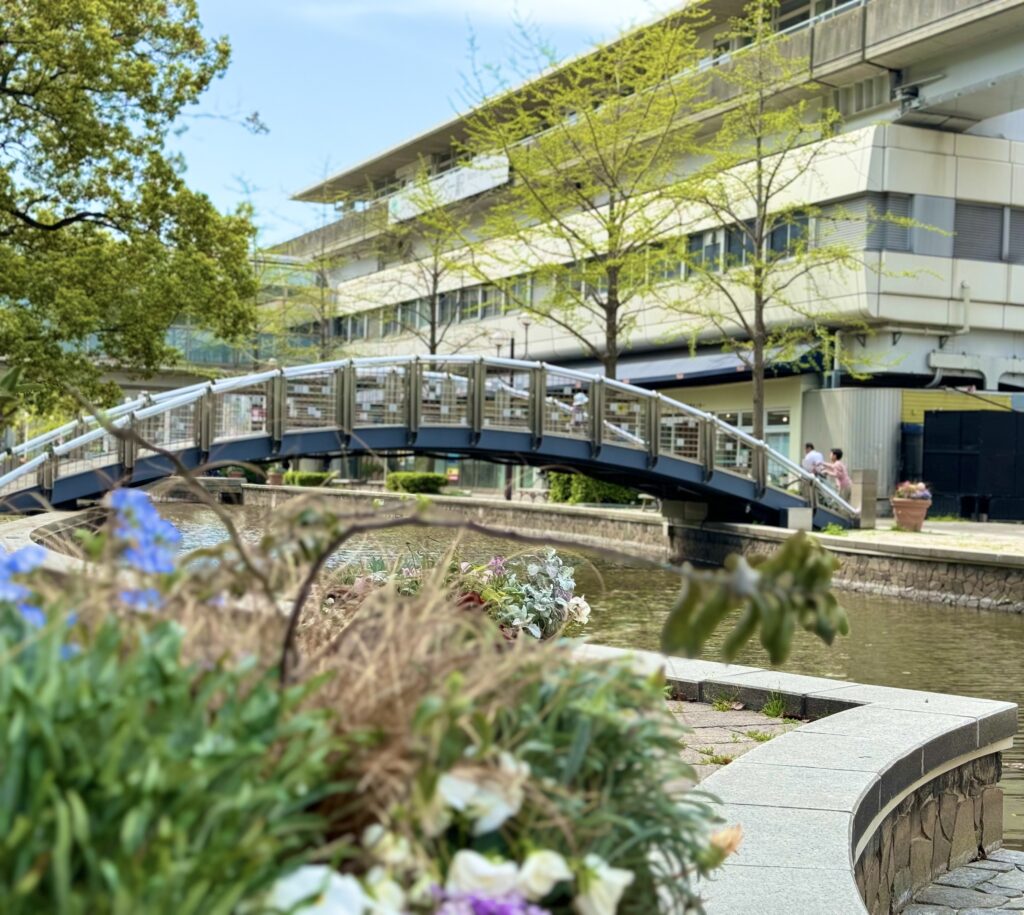
Ride the Nunobiki Falls cable car to view Kobe from above. The botanical garden at the top with a perfume museum is a great place to stroll for relaxation. Hike through the park and spot the impressive waterfall by the gorge. Make sure to have lunch at the local pottery cafe. Kobe is famous for its pottery, so if you’re fan of artisan goods, this is a fun place to dine and shop at.
Then finish off your day with a kobe beef kaiseiki dinner at a city restaurant in downtown. You’ll get a stunning night-time view of the city from the 15th floor. Kobe is the place to try genuine Kobe beef if it’s been on your bucket-list for a while.
Kobe delivers on nature, handcrafted goods, and delicious local cuisine. If that’s your criteria for a worthwhile day trip, then Kobe will live up to it .
Nara for sacred deer
Is seeing sacred deer on your Japan hit-list? Then Nara is the day trip you want to take. Nara is a worthwhile day trip if you’re interested in getting up close and personal with deer in the city. And you’ll get to see Todai-ji, the largest, wooden temple on earth.
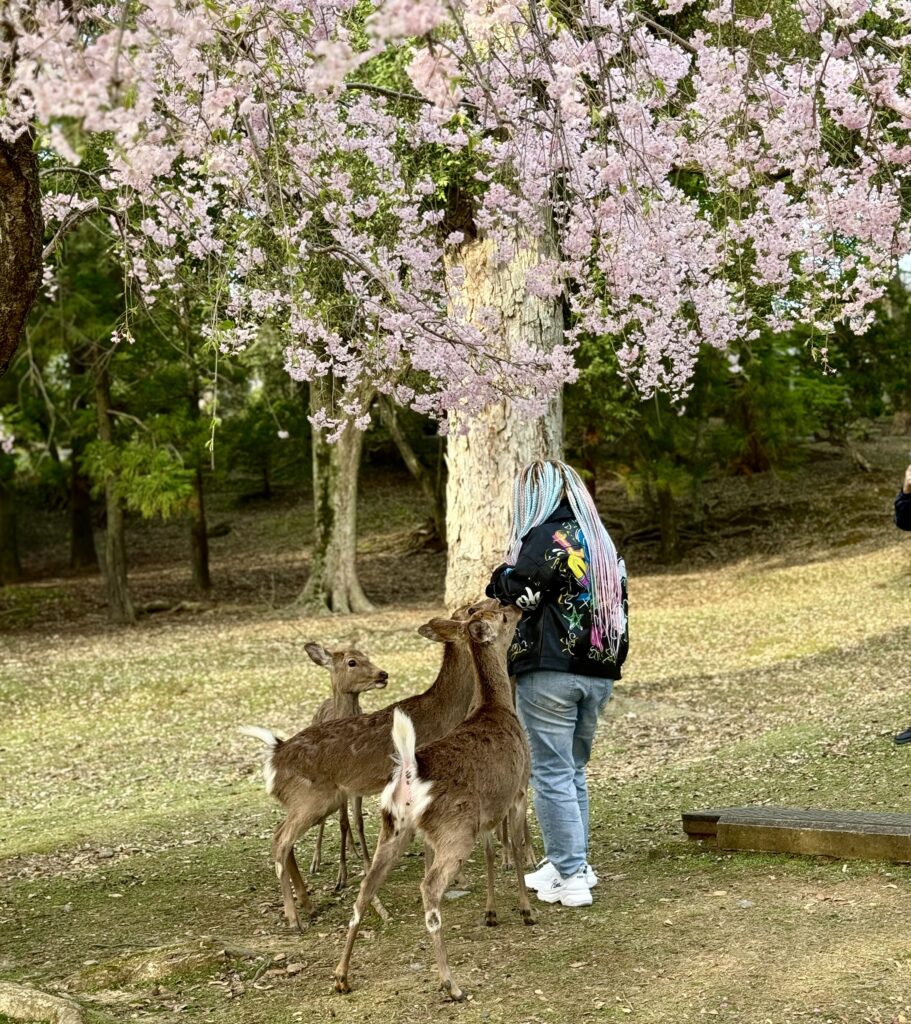
Nara is only 30 minutes away by local train from Kyoto. Nara downtown itself is quite small. And it’s very easy to walk to Todai-ji from the train station. Once in the temple area, you’ll spot deer all around you. No need to take any other public transport to get around.
Nara is ideal if you want an easy, short day trip centered around a few absolutely iconic sites.
Why Kyoto Is Perfect For First-Time Travellers
Kyoto isn’t Japan’s flashiest city and that’s a good thing. Where Tokyo dazzles with technology, pop culture, and constant action, Kyoto moves at a slower, more deliberate pace. It’s a city defined by tradition, ceremony, and quiet aesthetics.
Here, temples and shrines invite reflection rather than spectacle. Historic districts preserve centuries-old craftsmanship. Dining is seasonal, meticulous, and done with care. Even the layout of the city is spacious, allowing you to wander rather than hurry.
Spring brings celebration and cherry blossoms and with it, higher prices and big crowds. Winter offers stillness, lower costs, and a more intimate experience of Kyoto’s most famous sights. Each season has its character, and choosing the right one depends on the kind of experience you want.
For first-time visitors to Japan who are looking for history over hype, tranquility over intensity, and depth over speed, Kyoto offers a beautifully balanced introduction to the country.
If that’s what you’re looking for, Kyoto is not just a good choice, it’s the right one. Ready to plan your trip? Confidently organize your Kyoto trip with my tips on how to plan a trip to Kyoto for first-time travellers.